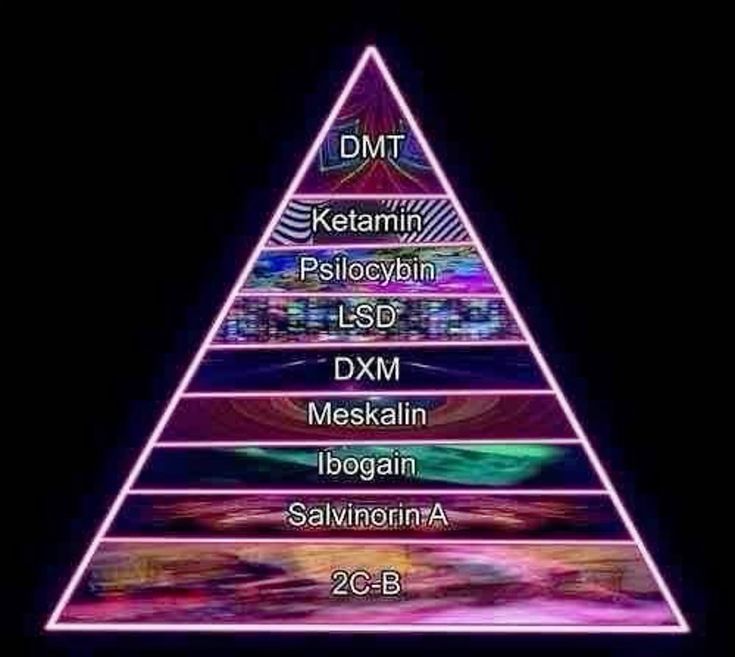
Understanding Research Chemicals: How They Work

Understanding Research Chemicals: How They Work, Their Uses, and Safe [...]
Understanding Research Chemicals: How They Work, Their Uses, and Safe Buying Tips
Welcome to HN Chems, your trusted source for insights into the world of understanding research chemicals. Whether you’re new to this fascinating field or looking to deepen your understanding, we will guide you through the essentials of research chemicals, how they function, their various applications, and where you can buy them safely. Let’s dive in!
What Are Research Chemicals?
Research chemicals are synthetic substances created primarily for scientific and medical research purposes. They often mimic the effects of well-known drugs or introduce entirely new properties that researchers study to understand their potential benefits or risks. Unlike conventional pharmaceuticals, these chemicals are usually not approved for human consumption and are typically used in controlled laboratory settings.
How Do Research Chemicals Work?
The way research chemicals work depends largely on their chemical structure and the receptors or systems they interact with in the body. Many target the central nervous system, influencing neurotransmitters such as serotonin, dopamine, or norepinephrine. By binding to these receptors, research chemicals can alter mood, perception, cognition, or physical sensations.
For example, some research chemicals act as stimulants by increasing dopamine levels, boosting alertness and energy. Others may act as psychedelics by affecting serotonin receptors, leading to altered sensory experiences and consciousness. The diversity in their mechanisms makes research chemicals valuable tools for exploring new therapeutic avenues and understanding neurochemical pathways.
Common Uses of Research Chemicals
While most research chemicals are developed for laboratory studies, they have various applications that extend beyond the lab:
- Scientific Research: Used to investigate biological pathways, disease mechanisms, and potential new medications.
- Pharmacological Studies: Help in testing the efficacy and safety of new compounds before they become approved drugs.
- Educational Purposes: Employed in academic settings for teaching and experimentation.
- Development of Therapeutics: Lead to breakthroughs in treatments for conditions like depression, anxiety, or chronic pain.
It’s important to note that outside of approved research contexts, using these chemicals can carry significant risks due to limited knowledge about their long-term effects.
Various Types and Categories of Research Chemicals
Research chemicals come in a wide array of types, each with unique properties and effects. Understanding the main categories helps researchers and enthusiasts navigate this complex field more effectively. Here are some of the most common categories of research chemicals:
1. Psychedelics:
Psychedelic research chemicals interact primarily with serotonin receptors in the brain, leading to altered perceptions, enhanced sensory experiences, and changes in cognition. Some well-known psychedelic chemicals include: 2C-B, NBOMe series, DMT analogs
These substances are studied for their potential therapeutic effects on mental health disorders such as depression and PTSD.
2. Stimulants
These chemicals increase activity in the central nervous system, often boosting alertness, focus, and energy. They typically affect dopamine and norepinephrine pathways. Popular stimulant research chemicals include: 4-MMC (Mephedrone), Ethylphenidate, Methamphetamine analogs
Stimulants are researched for applications like ADHD treatment and understanding addiction mechanisms.
3. Dissociatives
Dissociatives cause feelings of detachment from the environment and self. They often act on NMDA receptors. Examples include: Ketamine analogs, PCP derivatives, DXM analogs
These chemicals are being explored for their rapid antidepressant effects and anesthesia properties.
4. Empathogens / Entactogens
These substances enhance feelings of empathy, emotional connection, and sociability. They often influence serotonin release and reuptake. Notable examples are: MDMA analogs, MDA derivatives, Methylone
Research in this category focuses on potential treatments for PTSD and social anxiety.
5. Opioids
Opioid research chemicals mimic the effects of natural and synthetic opioids, interacting with opioid receptors to provide pain relief or euphoria. Examples include: Fentanyl analogs, U-47700, AH-7921
Due to their high risk of addiction and overdose, opioid research chemicals require strict control and caution.
6. Cannabinoids
Synthetic cannabinoids act on cannabinoid receptors similar to THC but can vary widely in potency and effects. Examples include: JWH series, AM series, CP series
They are studied for pain management, appetite stimulation, and other therapeutic uses.
7. Novel Psychoactive Substances (NPS)
This is a broad category encompassing newly synthesized chemicals designed to mimic traditional drugs but often with altered structures to evade legal restrictions. They can belong to any of the above categories and include:
- Designer stimulants
- Synthetic hallucinogens
- New dissociatives
NPS require ongoing research to understand their safety profiles and potential uses.
Why Is Safety Crucial When Buying Research Chemicals?
Because research chemicals are often unregulated and vary widely in purity and composition, buying them safely is paramount. Impurities or misidentified substances can cause harmful or unpredictable effects. Additionally, sourcing from unreliable vendors increases the risk of receiving counterfeit or contaminated products.
Tips for Buying Research Chemicals Safely
At HN Chems, we emphasize responsible practices. Here are some key tips to consider when buying research chemicals:
- Choose Reputable Vendors: Look for suppliers with transparent policies, positive customer reviews, and clear product information.
- Check for Lab Testing: Prioritize products that come with certificates of analysis (CoA) confirming purity and identity.
- Understand Legal Status: Research the legal regulations in your country or region to avoid legal issues.
- Start Small: If experimenting within legal and safe boundaries, begin with minimal amounts to gauge effects and avoid overdose risks.
- Stay Informed: Keep up with scientific literature and community insights about the chemicals you’re interested in.
Where to Buy Research Chemicals Safely
Buying research chemicals safely involves selecting trusted sources that prioritize quality and customer education. HN Chems is dedicated to providing high-quality research chemicals with thorough testing and clear documentation. We ensure our customers have access to accurate information and safe products to support legitimate research and educational purposes.
Beyond HN Chems, always verify vendor credentials, ask for lab reports, and avoid deals that seem too good to be true. Safety and transparency should never be compromised.
Share This Article