MDMA vs Molly: An In-Depth Guide to Differences, Effects, and Safety

MDMA vs Molly: An In-Depth Guide to Differences, Effects, and [...]
MDMA vs Molly: An In-Depth Guide to Differences, Effects, and Safety
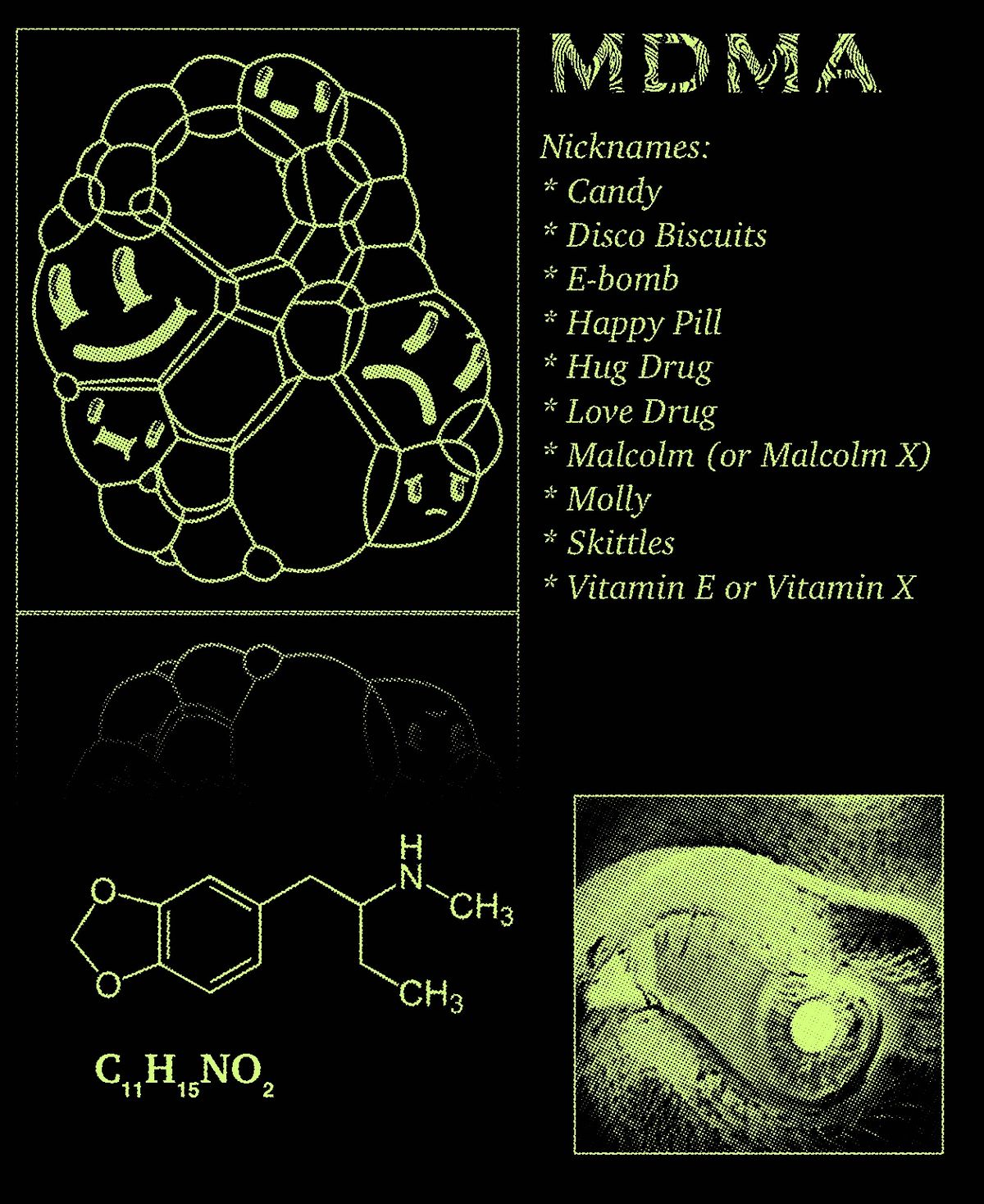
MDMA and Molly are two of the most discussed substances in the world of party culture, music festivals, and nightlife. While many people use the terms interchangeably, there are important differences, myths, and facts to understand. This detailed guide will walk you through everything you need to know about MDMA vs Molly, including history, effects, risks, and harm reduction.
What is MDMA?
MDMA (3,4-methylenedioxymethamphetamine) is a synthetic drug that alters mood and perception. It’s known for producing feelings of euphoria, emotional closeness, and increased sensory awareness. Developed in 1912 by the German pharmaceutical company Merck, MDMA was initially created for potential use in pharmaceuticals. It wasn’t until the 1970s that it became popular as a recreational drug and as an adjunct in psychotherapy.
MDMA Drug Class
- MDMA is classified as an entactogen (meaning “touching within”), which refers to drugs that produce experiences of emotional communion, oneness, relatedness, and emotional openness.
- It’s also a stimulant and psychedelic. This means MDMA can both energize and mildly distort perception.
- Legal Status: In the United States and many other countries, MDMA is a Schedule I controlled substance, indicating a high potential for abuse and no currently accepted medical use.
MDMA Effects
When taken, MDMA increases the activity of three brain chemicals:
- Serotonin: Elevates mood, empathy, and emotional closeness.
- Dopamine: Causes increased energy and activity levels.
- Norepinephrine: Raises heart rate and blood pressure.
Typical effects include:
- Intense feelings of pleasure and euphoria
- Heightened empathy and emotional connection with others
- Enhanced sensory perception (colors, sounds, and touch may feel more vivid)
- Increased energy and sociability
- Decreased fear, anxiety, and inhibition
Physical effects can include:
- Pupil dilation
- Increased body temperature
- Jaw clenching and teeth grinding
- Sweating
- Loss of appetite
- Nausea
Negative Effects and Risks
Although many users seek the positive effects, MDMA can also cause:
- Anxiety or paranoia
- Agitation or restlessness
- Insomnia
- Rapid heartbeat
- Dehydration or overheating (especially dangerous at crowded events)
- After-effect “comedown” with low mood and fatigue
How Long Does MDMA Last?
- Onset: Effects begin about 30–45 minutes after ingestion.
- Peak: Most intense effects are felt between 1–2 hours after taking the dose.
- Duration: The overall experience typically lasts 3–6 hours.
- After-Effects: Some people experience a “comedown” or “crash” that may include fatigue, depression, or irritability for several days after use.
MDMA Dosage
- Typical recreational dose: 75–125mg.
- Dosage can depend on body weight, metabolism, and individual sensitivity
- Redosing: Some users attempt to extend the effects by taking more; this increases the risk of negative side effects and toxicity.
- Overdose: High doses can cause dangerous increases in body temperature (hyperthermia), dehydration, serotonin syndrome, or, in rare cases, death.
MDA Drug: Is It the Same as MDMA?
MDA (3,4-methylenedioxyamphetamine) is closely related to MDMA, both chemically and in terms of effects. However, there are important differences:
- MDA is sometimes called the “parent drug” of MDMA.
- Effects: MDA produces effects similar to MDMA, such as euphoria and increased energy, but is known for being more stimulating and hallucinogenic.
- Duration: MDA’s effects typically last longer (6–10 hours).
- Risks: MDA is more likely to cause visual hallucinations and agitation.
MDA can sometimes be found as an adulterant in street ecstasy or Molly, either intentionally or accidentally. It’s important not to confuse the two, as their safety profiles and subjective effects do differ.
MDMA Drug Class: Understanding Its Legal and Chemical Status
MDMA’s classification is important for understanding its risks, regulation, and research possibilities:
- Controlled Substance: As a Schedule I drug in the United States, MDMA is illegal to possess, distribute, or manufacture.
- Research: Despite its legal status, there has been renewed interest in using MDMA as a therapeutic tool, particularly for PTSD and other mental health conditions. Clinical trials have shown promise, but legal access remains restricted outside of research settings.
- Chemical Structure: MDMA is structurally related to both amphetamines and mescaline (a natural psychedelic).
What is Molly?
Molly is a slang term for what is supposed to be “molecular,” meaning pure crystalline MDMA. The name distinguishes Molly from “ecstasy,” which often refers to pressed tablets that may contain MDMA along with other substances.
Molly Pills and Forms
- Molly usually comes as a white or off-white powder, crystalline shards, or capsules filled with powder.
- Ecstasy (another street name) typically comes in colorful, pressed tablets, which are often branded with logos or symbols.
What Do Mollies Do?
- Molly’s Effects: If Molly is pure MDMA, it produces the same effects—euphoria, increased sociability, enhanced sensory perception, and emotional openness.
- Adulteration: Many products sold as Molly are not pure MDMA. They may contain other stimulants, synthetic cathinones (“bath salts”), MDA, caffeine, or other unknown substances.
Is Molly MDMA?
- Intention: The term “Molly” is meant to refer to pure MDMA.
- Reality: Because the market is unregulated, Molly may or may not actually contain any MDMA. Lab testing of samples from festivals has shown that a significant portion of Molly is adulterated.
- Testing: Reagent test kits are available and highly recommended for harm reduction.
Chemicals in Molly
Besides MDMA, substances commonly found in Molly samples include:
- MDA
- Methamphetamine
- Synthetic cathinones (bath salts)
- Caffeine
- Other designer stimulants
How Long Does a Molly Last?
- Duration: If Molly is pure MDMA, effects last about 3–6 hours.
- Adulterants: The presence of other chemicals can make the experience shorter, longer, or more dangerous.
Molly Dosage
- Standard dose: 75–125mg if pure, but dosing is unreliable due to inconsistent content.
- Overdose Risk: Because purity is unknown, overdose risk is higher with Molly than with laboratory-grade MDMA.
MDMA vs Molly: Breaking Down the Differences
While many use the terms interchangeably, MDMA vs Molly is a nuanced topic:
- MDMA is the chemical name of the active compound responsible for the classic effects.
- Molly is a street name for supposed “pure” MDMA, often in crystalline or powder form.
- Ecstasy is usually used to refer to pressed pills, which may contain MDMA, but often have a mix of other drugs.
MDMA vs Molly: An In-Depth Guide to Differences, Effects, and Safety
MDMA and Molly are two of the most discussed substances in the world of party culture, music festivals, and nightlife. While many people use the terms interchangeably, there are important differences, myths, and facts to understand. This detailed guide will walk you through everything you need to know about MDMA vs Molly, including history, effects, risks, and harm reduction.
Similarities
- Both can cause euphoria, increased empathy, and sensory enhancement.
- Both are illegal in most jurisdictions.
- Both carry the risk of overheating, dehydration, and after-effects.
Safety, Adulteration, and Harm Reduction
Why Purity Matters
Not knowing what’s in a substance increases the risk of overdose, toxic reactions, or unexpected effects. Testing kits can detect the presence of MDMA and some common adulterants, but only a laboratory can provide a full breakdown.
Harm Reduction Tips
- Test Your Substance: Use reagent kits to check for MDMA and other chemicals.
- Start Low: Begin with a small dose, especially if unsure of purity.
- Stay Hydrated: Sip water, but don’t overdrink (water intoxication is also dangerous).
- Take Breaks: Rest in cool areas, especially at crowded events or raves.
- Avoid Mixing: Don’t combine MDMA/Molly with alcohol, other stimulants, or unknown substances.
- Have a Sober Friend: Always have someone you trust nearby to help if you have a bad reaction.
The Science: How MDMA and Molly Work in the Brain
Both MDMA and Molly (if pure) work by increasing the activity of neurotransmitters in the brain, especially:
- Serotonin: Responsible for improved mood, feelings of love, and emotional closeness.
- Dopamine: Provides energy and a sense of reward.
- Norepinephrine: Increases heart rate and blood pressure.
This chemical surge leads to the classic “loved-up” feeling, but also causes the emotional “crash” as the brain’s supply is depleted.
FAQ: Your Top Questions Answered
Q: What’s the difference between MDMA, Molly, and Ecstasy?
- MDMA is the chemical name.
- Molly refers to (supposedly) pure MDMA, usually in powder or crystal form.
- Ecstasy is a street name for pressed pills that often contain MDMA and other substances.
Q: How can I tell if Molly is pure?
- Use a reagent test kit, but remember these aren’t foolproof. Only lab analysis is 100% accurate.
Q: Can MDMA or Molly be used safely?
- No use is without risk, but harm reduction practices—testing, moderation, hydration, and avoiding polydrug use—can lower the risks.
Q: What is serotonin syndrome?
- A potentially life-threatening condition caused by too much serotonin in the brain, sometimes triggered by high MDMA doses or mixing with certain antidepressants.
Q: Is there a medical use for MDMA?
- Research is ongoing, especially for PTSD treatment, but MDMA is not yet legally available as a medicine outside of clinical trials.
Final Thoughts: Making Informed Choices
Whether you’re curious about the science, considering use, or just seeking to understand the culture, knowing the facts about MDMA vs Molly is essential. The biggest takeaway: while the experiences may overlap, the purity, safety, and risks can differ dramatically. Always prioritize safety, question the source, and use harm reduction strategies. For those seeking more information or support, organizations like DanceSafe and Erowid offer valuable resources.
Share This Article