LSD Full Name: Lysergic Acid Diethylamide Unveiled
LSD Full Name: Lysergic Acid Diethylamide Unveiled—A Comprehensive Guide to [...]
LSD Full Name: Lysergic Acid Diethylamide Unveiled—A Comprehensive Guide to Its Origins, Effects, Legality, and More
LSD—one of the world’s most intriguing substances—has captivated the public and scientists alike for nearly a century. You’ve likely heard it called “acid,” associated with psychedelic art and music, or pictured on small squares of decorated blotter paper. But what’s the true story behind this molecule? This article delves deep into the full name of LSD, its history, chemical nature, legal status, effects, risks, and more, providing a definitive guide for anyone curious about this powerful hallucinogen.
What is the Full Name of LSD?
LSD stands for Lysergic Acid Diethylamide. The full chemical name is D-lysergic acid diethylamide, and its chemical formula is C20H25N3O.
- Origin of the Name:
- “Lysergic acid” refers to the core chemical structure derived from ergot, a fungus that infects grains such as rye.
- “Diethylamide” describes the substitution of two ethyl groups in the molecule.
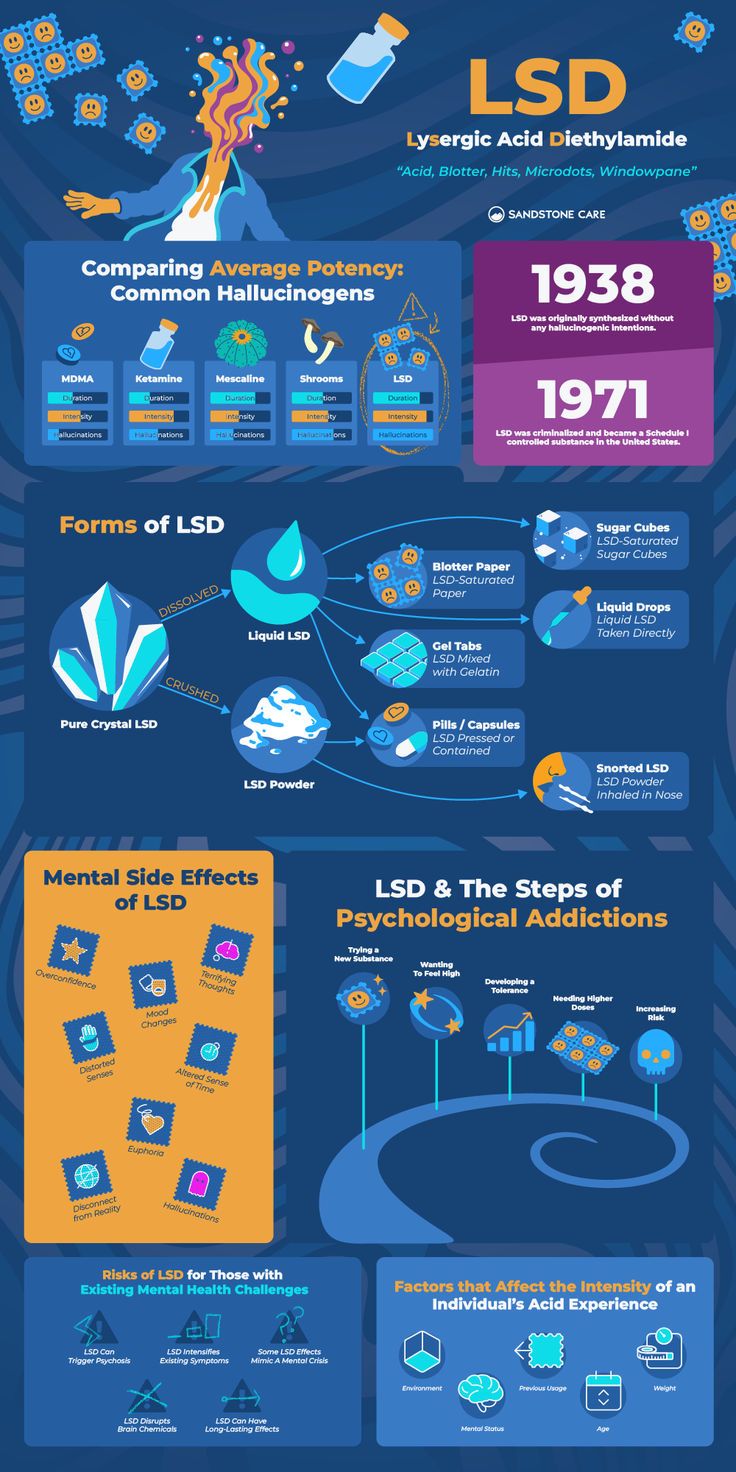
- Discovery: LSD was first synthesized by Swiss chemist Albert Hofmann in 1938 at the Sandoz Laboratories in Basel, Switzerland.
- Purpose: Initially created while searching for treatments for respiratory and circulatory stimulants, its hallucinogenic properties were discovered accidentally in 1943.
- Other Synonyms:
- “Acid” (common street name)
- “Lucy,” “Blotter,” “Tabs,” and many more in popular culture.
- Understanding the full name—Lysergic Acid Diethylamide—is fundamental to grasping the compound’s unique background in scientific discovery and cultural history.
Is LSD Legal?
The legal status of LSD (Lysergic Acid Diethylamide) is a complex and evolving subject:
Global Status:
- In almost every country—United States, United Kingdom, Canada, Australia, and most of Europe—LSD is classified as an illegal, controlled substance.
- In the United States, LSD is a Schedule I drug under the Controlled Substances Act, meaning it is considered to have no accepted medical use and a high potential for abuse.
- Similar classifications exist in the UK (Class A), Canada (Schedule III), and Australia (Schedule 9).
Consequences of Possession:
- Criminal penalties for possession, distribution, or manufacture can be severe, including fines and extended prison sentences.
- Even minimal amounts—just a single microgram—can result in criminal prosecution.
Exceptions:
- LSD research may be permitted under a strict government license for scientists studying its potential medical uses for conditions like depression, PTSD, or cluster headaches.
- In a few places, there is a movement to decriminalize small-scale possession or prioritize treatment over imprisonment for users, but this is the exception, not the rule.
Summary: Taking, possessing, or distributing LSD is illegal in almost all cases worldwide. Always check your local laws as they can change.
Is LSD Addictive?
One of the most common questions surrounding LSD is whether it can lead to addiction.
Physical Dependence:
- LSD does not cause physical dependence or withdrawal symptoms like addictive substances such as opioids or alcohol.
- The body does not crave LSD or develop a compulsion from a biological standpoint.
Tolerance:
- Frequent use, especially over consecutive days, leads to rapid tolerance.
- After taking LSD, higher doses are needed to achieve the same effect; full sensitivity only returns after several days of abstinence.
Psychological Dependence:
- Some users report developing psychological cravings driven by the desire for the profound, mystical, or mind-altering experiences LSD can induce.
- However, such psychological dependence is considered rare compared to substances like cocaine, alcohol, or nicotine.
Official Classification:
- The National Institute on Drug Abuse (NIDA) and other medical bodies do not define LSD as an addictive drug.
Is LSD Acid?
- Yes, LSD is widely known as “acid.
- ”The term “acid” comes from the “lysergic acid” component of its chemical name.
- “Acid” became popular slang in the 1960s and 70s during the counter-culture movement, symbolizing freedom, creativity, and an altered state of consciousness.
- Today, asking if someone has “acid” is almost always understood to mean LSD.
What Does LSD Do?
LSD is psychedelic (mind-manifesting), profoundly altering perception, mood, and cognitive processes.
Typical Effects:
Visual and auditory hallucinations:
- Seeing vibrant colors, swirling patterns, or vivid images (even with eyes closed).
- Perceiving sounds as richer or synesthetic (colors as sounds or shapes).
Altered sense of time:
- Minutes can feel like hours, and vice versa.
Emotional amplification:
- Emotions, both positive and negative, can be intensified.
Ego dissolution:
- A feeling that boundaries between self and world have temporarily faded away.
Mindset and Environment Matter:
- Set and Setting: Your mood (“set”) and surroundings (“setting”) strongly influence the overall LSD experience.
- Positive settings: Nature, supportive friends, calm atmospheres typically lead to positive “trips.
- Negative outcomes: Stressful environments, poor health, or anxiety can cause panic, confusion, or “bad trips.
Duration
- LSD effects begin 30-90 minutes after ingestion and last 8–12 hours.
- Aftereffects (“afterglow” or mild confusion) can linger up to 24 hours.
What Does LSD Look Like?
LSD itself is a nearly colorless, odorless, and tasteless crystalline substance. However, it is almost never sold in pure form. Common modes of distribution include:
Blotter paper:
- Small squares (typically 6–8mm), imprinted with cartoon art or designs, soaked in liquid LSD and dried.
- The most iconic and common form.
Liquid form:
- LSD is diluted in distilled water or alcohol and distributed as droplets on sugar cubes, small candies, or gel tabs.
- Dosed with a dropper.
Microdots:
- Tiny, colorful round pills containing a precise dose of LSD.
Tablets or Capsules:
- Rare, but sometimes LSD is pressed into pills or enclosed in capsules.
Powder/Crystals:
- Highly uncommon outside laboratory or distribution circles due to the tiny effective dose (measured in micrograms).
Note: Because the active dose is so small (on the order of 50–150 micrograms), any medium can be used to deliver LSD, but blotter paper remains the universal standard.
Is LSD Illegal?
- Yes, LSD is illegal almost everywhere in the world.
- Classified as a Schedule I drug (U.S.), Class A drug (U.K.), and similar in other jurisdictions.
- Consequences:
- Criminal prosecution for possession, manufacturing, or sale.
- Penalties range from substantial fines to multi-year imprisonment, depending on quantity and context.
- Legal status can vary for scientific research, but recreational use is strictly forbidden by law in almost all cases.
How is LSD Made?
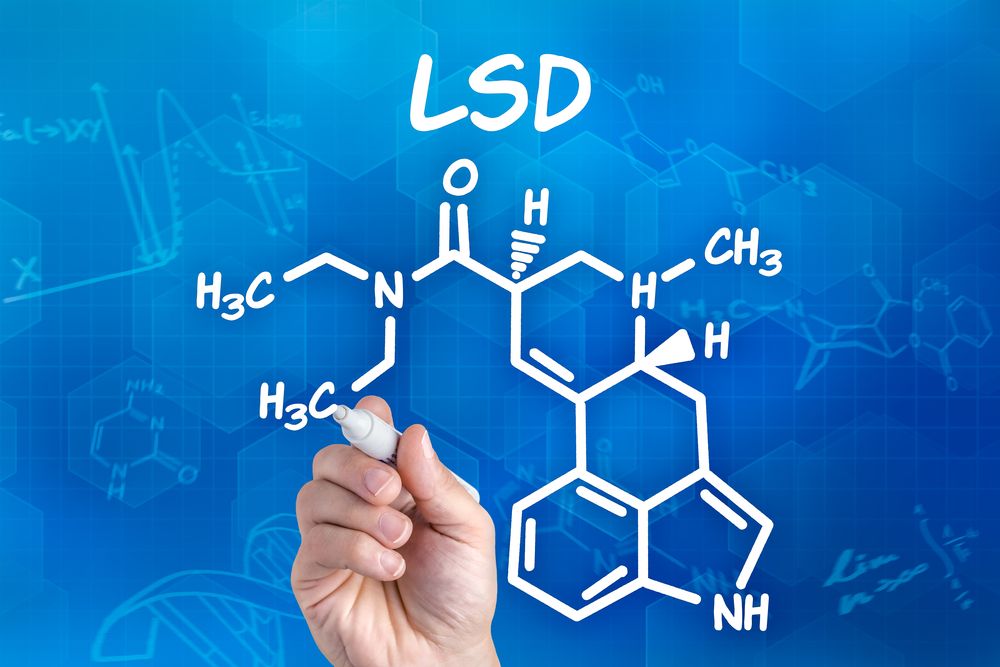
The creation of LSD is a complicated chemical process requiring expertise and specialized laboratory equipment:
- Key ingredient:
- Lysergic acid, extracted from ergot fungus (Claviceps purpurea), which grows on grains like rye.
- Chemical reactions:
- The ergot-derived lysergic acid is combined with other chemicals, including dimethylamine, under highly controlled conditions to form Lysergic Acid Diethylamide.
- Purification:
- The product is purified through chromatography or other chemical processes.
- Blotter Preparation:
- Purified LSD is dissolved in liquid and then soaked into blotter paper, which is dried and cut into “tabs” for dosing.
Note:
- Manufacturing LSD is extremely dangerous and illegal without the appropriate licenses.
- Impurities or mistakes in synthesis can lead to unsafe products and legal consequences.
How Does LSD Work?
LSD exerts its effects primarily by interfering with the brain’s serotonin system—one of the most important neurotransmitters for regulating mood, perception, and cognition.
Neurochemical Mechanism:
- Serotonin receptors (5-HT2A):
- LSD binds strongly to these receptors, especially in parts of the brain responsible for sensory perception and thought.
- Altered brain connectivity:
- Brain-imaging studies reveal that LSD increases global connectivity, which means disparate brain regions start talking to each other in novel patterns.
- This leads to phenomena like synesthesia (hearing colors, seeing sounds) and the altered perception of reality.
- Psychological Outcomes:
- Disruption of Default Mode Network (DMN):
- “Ego dissolution” is associated with reduced activity in the brain’s DMN, the area responsible for self-identity.
- Heightened sensory processing:
- External stimuli are processed more intensely.
- Memory and emotion interplay:
- Deep-seated emotions and memories may become more vivid.
Onset and Duration:
- Effects start within 30–90 minutes, peak around 2–4 hours, then slowly taper off over a total of 8–12 hours.
LSD Effects
Short-Term Effects (During the Trip):
- Perception: Vivid visual patterns, shifting colors, geometric shapes, halos, or trails behind objects.
Thoughts: Novel ideas, paradoxical thinking, philosophical insight, confusion.
Sensations: Fluctuations in heat, cold, touch, sense of gravity.
Mood: Euphoria, ecstasy, inner peace, but also anxiety, paranoia, or deep fear if set and setting are negative.
Physical: - Dilated pupils
- Elevated blood pressure/heart rate
- Sweating
- Sleeplessness and dry mouth
- Possible nausea at onset
Bad Trips
- Extreme fear or paranoia
- Panic attacks
- Hallucinations that are frightening or overwhelming
- Accidental self-injury in rare cases.
- While rare, supportive environments and trusted company can minimize harm during challenging experiences.
Aftereffects (“Afterglow”)
- Some people report a lingering positive mood or subtle shifts in perspective after the primary effects wear off.
Is LSD Safe?
LSD is not physically toxic at common doses and does not damage organs or cause fatal overdose when taken alone. However, several important safety concerns remain:
- Psychological Risks:
- People with pre-existing mental illness (especially schizophrenia or bipolar disorder) are at greater risk of worsened symptoms or triggering psychiatric episodes.
- High doses can cause confusion, delusions, or persistent anxiety.
- Behavioral Dangers:
- Because LSD powerfully distorts reality, users are prone to risky actions or accidents (e.g., walking into traffic, accidental injury).
No Known Fatal Dose:
- The calculated lethal dose in humans is unknown and likely extremely high—medical emergencies usually relate to risky behavior, not the drug itself.
Rare but Serious Effects:
- Some individuals experience “flashbacks” (sudden, brief recurrences of LSD effects weeks or months later), known as Hallucinogen Persisting Perception Disorder (HPPD).
- Prolonged psychosis or lasting anxiety, though rare, can occur.
Harm Reduction Advice
- Never trip alone.
- Choose safe, familiar settings.
- Have a trusted, sober sitter.
- Avoid use if you have or are predisposed to mental health disorders.
Long-Term Effects of LSD
Research indicates that LSD is not physically addictive and does not cause chronic organ damage. However, some notable long-term risks and effects include:
1. Flashbacks (HPPD)Hallucinogen Persisting Perception Disorder (HPPD):
- Some users report experiencing visual disturbances, such as “trails” or afterimages, long after their last dose.
- Flashbacks are generally rare and often fade over time, but can persist in some individuals.
2. Psychological and Emotional Shifts
- Long-term users commonly describe a lasting change in worldview or personal philosophy after psychedelic experiences.
- Some report improvement in mood, creativity, or sense of meaning.
- Others may experience lingering anxiety, disconnection, or even symptoms of psychosis in vulnerable individuals.
3. Impact on Brain Health
- No evidence of cognitive decline or brain damage with moderate, occasional use.
- Chronic, excessive use—especially in those predisposed to mental illness—may elevate risks for psychiatric issues.
4. Research on Medical Uses
- Recent clinical research LSD Full Name: Lysergic Acid Diethylamide Unveiled is exploring LSD’s potential benefits in treating depression, PTSD, anxiety, and cluster headaches.
- These treatments occur under strict medical supervision and in much lower, controlled doses.
Conclusion:
The full name of LSD is Lysergic Acid Diethylamide—a chemical both celebrated and notorious for its profound effects on human consciousness. While it holds promise for medical research, LSD remains illegal and carries real psychological and legal risks for recreational users. Though not physically addictive, its power to alter perception and cognition means it’s not a substance to be used lightly or without careful consideration. If you have further questions about LSD, substance safety, or its history, consult medical professionals or referenced scientific sources. The legal status and knowledge about LSD are consistently evolving, so always access the most current information before making any decisions.
Key Takeaways:
- LSD’s full name is Lysergic Acid Diethylamide.
- It is illegal in most countries and has strong hallucinogenic properties.
- LSD is not physically addictive, but psychological risks exist.
- Short- and long-term effects can be profound, and safety should always be paramount.
LSD Full Name,
acid tabs,
lsd legal,
r/lsd,
acid trip,
geltab acid,
lsd molecule,
lsd trip,
lsd blotter.
Share This Article