A Complete Guide to Alprazolam and In-Depth Insights on Ketamine Therapy

A Complete Guide to Alprazolam and In-Depth Insights on Ketamine [...]
A Complete Guide to Alprazolam and In-Depth Insights on Ketamine Therapy
In recent years, both Alprazolam and ketamine therapy have become focal points in conversations surrounding mental health and modern treatment approaches. This thorough, long-form guide clarifies what Alprazolam is, how it is used, and what you need to know about ketamine, from its classification and medical uses to the specifics of infusion therapy, anticipated costs, and more.
Understanding Alprazolam: What Is It and How Does It Work?
Alprazolam is a medication from the benzodiazepine class, best known by its brand name, Xanax. It is primarily prescribed to manage anxiety disorders and panic attacks.

How Alprazolam Works
Alprazolam enhances the effects of gamma-aminobutyric acid (GABA), a neurotransmitter that decreases neuronal excitability in the brain. By amplifying GABA activity, Alprazolam helps calm heightened nerve activity, producing a calming effect. This mechanism makes Alprazolam particularly effective for:
- Generalized anxiety disorder (GAD)
- Social anxiety disorder
- Panic disorder
- Short-term management of stress-related symptoms
Proper Use and Dosage
Alprazolam is typically prescribed at an individualized dose, with adjustments made under medical supervision to achieve therapeutic results. It is vital to follow dosing instructions carefully, as misuse can lead to dependence.
- Immediate-release tablets: Commonly prescribed for individuals needing relatively rapid relief.
- Extended-release tablets: Designed to provide longer-lasting symptom management.
Never adjust your dose or discontinue treatment suddenly without medical guidance, as abrupt withdrawal may cause severe symptoms.
Potential Side Effects
Even when taken as prescribed, Alprazolam can cause side effects. Common reactions include:
- Drowsiness
- Fatigue
- Memory impairment
- Impaired coordination
- Dizziness
- Dry mouth
- Reduced alertness
Risks and Precautions
- Dependence and Withdrawal: Alprazolam can cause physical dependence, especially after prolonged use. Withdrawal can be serious.
- Drug Interactions: Combining Alprazolam with alcohol, opioids, or other sedatives can cause dangerous sedation and breathing problems.
- Pregnancy Warning: Use during pregnancy may pose risks to the unborn child. Consult a healthcare provider.
When Should Alprazolam Be Avoided?
Alprazolam may be unsuitable for some people, including those with:
- A history of substance use disorder
- Severe respiratory conditions
- An allergy to benzodiazepines
Always discuss your medical history and current medications with your doctor before starting Alprazolam.
Is Ketamine an Opioid? A Detailed Explanation
There are many misconceptions about ketamine, with one of the most common being whether it qualifies as an opioid.
What Exactly Is Ketamine?
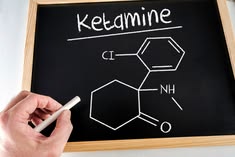
Ketamine is a medication classified as a dissociative anesthetic. Originally developed in the 1960s for anesthesia in humans and animals, it can provide anesthesia and pain relief while producing a sense of detachment from reality, known as dissociation.
How Are Opioids Defined?
Opioids are a class of drugs that includes prescription painkillers such as morphine and oxycodone, as well as illicit drugs such as heroin. They primarily act on opioid receptors in the brain and spinal cord to relieve pain.
Where Does Ketamine Fit In?
- Ketamine acts primarily as an antagonist of the N-methyl-D-aspartate (NMDA) receptor, which is part of the glutamate system.
- Opioids primarily act on opioid receptors. Although both ketamine and opioids can relieve pain, their principal mechanisms of action differ.
Summary Table: Ketamine vs. Opioids
| Feature | Ketamine | Opioids |
|---|---|---|
| Drug Class | Dissociative anesthetic | Opioid analgesic |
| Primary Receptor Target | NMDA receptor (glutamate system) | Opioid receptors, including mu receptors |
| Pain Relief | Yes | Yes |
| Risk of Misuse | Present | Present |
| Main Medical Uses | Anesthesia; selected off-label uses for depression and pain | Pain management; some are also used for cough or opioid use disorder |
Note: Ketamine has misuse and dependence potential. Its risks differ from those of opioids, and neither category can be considered risk-free.
Key Takeaway
Ketamine is not classified as an opioid. It is a dissociative anesthetic with clinical applications, including anesthesia and certain supervised treatments for depression and chronic pain.
What Is Ketamine Therapy? Comprehensive Introduction
Ketamine therapy is an approach used in selected clinical settings, particularly for patients with treatment-resistant depression or certain chronic pain conditions.
An Overview of Ketamine Therapy
In a controlled clinical setting, ketamine may be administered in doses below those typically used for general anesthesia to produce therapeutic effects. The FDA has approved esketamine (Spravato), a ketamine-derived nasal spray, for specific depression indications. This approval does not mean that every form of ketamine therapy is FDA-approved.
Conditions Treated With Ketamine Therapy
Ketamine or esketamine may be considered in selected circumstances for:
- Major depressive disorder (MDD)
- Treatment-resistant depression
- Bipolar depression, in selected specialist-supervised settings
- Post-traumatic stress disorder (PTSD), an area still under investigation
- Obsessive-compulsive disorder (OCD), an area still under investigation
- Suicidal ideation, in specific clinical contexts
- Certain chronic pain syndromes, including complex regional pain syndrome (CRPS)
Evidence, regulatory approval, and clinical recommendations vary by condition and treatment method.
How Does It Work?
- Glutamate System: Ketamine affects glutamate signaling and may influence neural plasticity and synaptic connections.
- Potentially Rapid Effects: Some patients experience improvements in depressive symptoms within hours or days, although responses vary and benefits may not be sustained.
Administration Methods
- IV Infusion: Used by some clinics for selected psychiatric and pain indications, often off-label.
- Nasal Spray: Esketamine is available for eligible patients under approved treatment protocols.
- Intramuscular Injection: Used in selected clinical settings.
- Oral or Sublingual Preparations: Sometimes used off-label, depending on the clinical context.
Who Is Eligible?
Ketamine-based treatment may be considered for people with treatment-resistant depression or selected chronic pain conditions after a comprehensive medical assessment. Eligibility depends on diagnosis, previous treatments, health history, medications, and potential risks.
Ketamine Infusion Therapy: Process, Effects, and What to Expect
What Is Ketamine Infusion Therapy?
Ketamine infusion therapy involves intravenous (IV) administration of ketamine under the supervision of qualified medical professionals. Treatment protocols and monitoring requirements vary according to the indication and clinical setting.
Typical Process
- Initial Consultation: A medical and psychiatric evaluation to review symptoms, medical history, medications, and treatment goals.
- Pre-Treatment Preparation: Baseline vital signs are checked, and medications and safety precautions are reviewed.
- Infusion Session: The infusion is administered according to the clinic’s protocol, with monitoring of vital signs and mental status.
- Observation Period: Patients are observed after treatment until the clinical team determines that discharge is appropriate.
Number and Frequency of Treatments
Some clinics use an initial course of six infusions over approximately two to three weeks for depression. However, treatment schedules vary, and this protocol is not appropriate for every patient. Any maintenance or booster treatment should be determined by a qualified clinician based on the patient’s response and safety.
Benefits and Outcomes
Potential benefits may include:
- Rapid improvement in depressive symptoms for some patients
- Reduction in suicidal thoughts in certain clinical contexts
- Improvements in mood and daily functioning for some individuals
Responses differ between patients, and treatment does not guarantee sustained improvement.
Possible Side Effects
- Dissociation and feelings of detachment from the body
- Temporary hallucinations or perceptual changes
- Nausea or vomiting
- Increased blood pressure and heart rate
- Dizziness or drowsiness
Many acute side effects resolve within hours, but monitoring is essential because some reactions can require medical attention.
Does Ketamine Therapy Get You High? Honest Insight
Understanding the Experience
During ketamine infusion therapy, patients may experience dissociation, a feeling of detachment from their bodies, thoughts, or surroundings. Some people describe the sensation as a “high,” but the experience is different from ordinary recreational intoxication.
Medical vs. Recreational Use
- Medical Use: Ketamine is administered under a clinical protocol, with appropriate monitoring to manage effects and reduce risks.
- Recreational Use: Nonmedical use involves greater uncertainty about the substance, dose, and environment, increasing the risk of harm.
What Patients Should Expect
Some patients report:
- Sensations of floating or altered perception
- A dream-like state
- Changes in how they experience thoughts and emotions
- Temporary changes in their perception of their surroundings
Experiences vary, and not everyone finds the experience pleasant.
Crucial Distinction
The primary goal of ketamine therapy is to treat a medical condition, not to induce euphoria or a recreational high. Dissociation may occur during treatment, but it is an effect that clinicians monitor rather than the therapeutic goal itself.
Ketamine Therapy Cost: What Will You Pay Out of Pocket?
Why Is There a Cost?
Coverage for ketamine-based treatment depends on the medication, indication, insurance plan, and healthcare system. IV ketamine for psychiatric conditions is generally an off-label treatment in the United States, and coverage may be limited. FDA-approved esketamine treatment may be covered when eligibility and insurance requirements are met.
Factors Affecting Cost
- Type of Treatment: IV infusion, nasal spray, or another prescribed formulation
- Geographic Location: Prices may be higher in major cities.
- Number of Treatments: Initial courses and maintenance sessions can affect total cost.
- Facility Fees: Clinic charges may include monitoring and recovery time.
- Medical Staff Qualifications: The level of clinical supervision can influence pricing.
Typical U.S. Cost Structure
Costs vary widely by provider, location, and treatment protocol. The following figures are illustrative estimates from the original article, not verified current market averages:
- Single IV Infusion: Approximately $800 per session
- Full Initial Course (Six Infusions): Approximately $5,000
- Booster or Maintenance Session: Approximately $600 each
Esketamine (Spravato) Nasal Spray:
- Total treatment costs depend on the medication, clinical administration, monitoring, and insurance coverage. Some eligible patients may receive coverage for treatment-resistant depression.
International Perspective
In other countries, costs may vary significantly due to public healthcare systems, governmental approval, insurance coverage, and local clinic fees.
Additional Costs to Consider
- Initial psychiatric or medical evaluation
- Follow-up visits
- Bloodwork or other safety screenings, when indicated
- Transportation, because patients should not drive after treatment until medically cleared
Tips for Managing Costs
- Ask clinics about financial assistance programs.
- Check whether your insurance covers any part of the process.
- Ask for a written estimate covering the medication, monitoring, consultation, and follow-up visits.
- Discuss potential maintenance sessions and their costs before beginning treatment.
In Summary: What You Need to Know
- Alprazolam (Xanax) is a benzodiazepine used to treat anxiety and panic disorders. It carries risks of dependence and withdrawal and must be managed carefully.
- Ketamine is a dissociative anesthetic, not an opioid. It has established anesthetic uses and selected clinical applications in mental health and pain treatment.
- Ketamine therapy may provide relatively rapid relief for some people with treatment-resistant depression. The evidence and regulatory status vary by treatment method and condition.
- Patients receiving ketamine-based treatment may experience temporary dissociation and other side effects. Appropriate medical supervision is essential.
- Cost can be substantial, especially for off-label IV ketamine treatment. Patients should consult reputable providers and verify insurance coverage and total costs.
Frequently Asked Questions
Q: Can you take Alprazolam and ketamine together?
A: Combining Alprazolam and ketamine requires medical oversight. Both can cause sedation, and their combined effects may increase impairment or other risks. Tell your clinician about all medications you take, and do not combine them without professional guidance.
Q: How quickly does ketamine therapy work for depression?
A: Some patients experience improvements within hours or days of treatment, while others respond later or do not respond. Results depend on the individual and the treatment protocol.
Q: How long do the benefits last?
A: Benefits may last days or weeks for some patients and longer for others. Some patients require continued treatment or maintenance sessions, as determined by their clinician.
Q: Is ketamine therapy safe?
A: Ketamine-based treatment can be appropriate for selected patients when administered by qualified professionals with suitable monitoring. It still carries risks, and long-term outcomes depend on the treatment method and clinical context. Nonmedical use can be harmful.
Q: Are there risks of addiction with ketamine therapy?
A: Ketamine has misuse and dependence potential. Medical supervision, careful patient selection, and appropriate follow-up help manage these risks but do not eliminate them.
Final Thoughts
Both Alprazolam and ketamine therapy have important roles in discussions about modern mental health care. Alprazolam is prescribed for anxiety and panic disorders, while ketamine-based treatments may offer an option for selected patients with difficult-to-treat depression and certain pain conditions.
If you are considering either treatment, consult a qualified healthcare professional who can assess your symptoms, medical history, medications, and individual treatment needs.
Share This Article