The Ultimate Guide to Ayahuasca: Origins, Uses, and What to Expect

The Ultimate Guide to Ayahuasca: Origins, Uses, and What to [...]
The Ultimate Guide to Ayahuasca: Origins, Uses, and What to Expect
Ayahuasca has gained significant attention worldwide for its powerful psychoactive effects and spiritual significance. This traditional Amazonian brew has been used for centuries by indigenous tribes for healing and ritual purposes. In this comprehensive guide, we will explore what ayahuasca is, its legal status, the experience of ayahuasca retreats, and important considerations including its duration, advantages, and disadvantages.
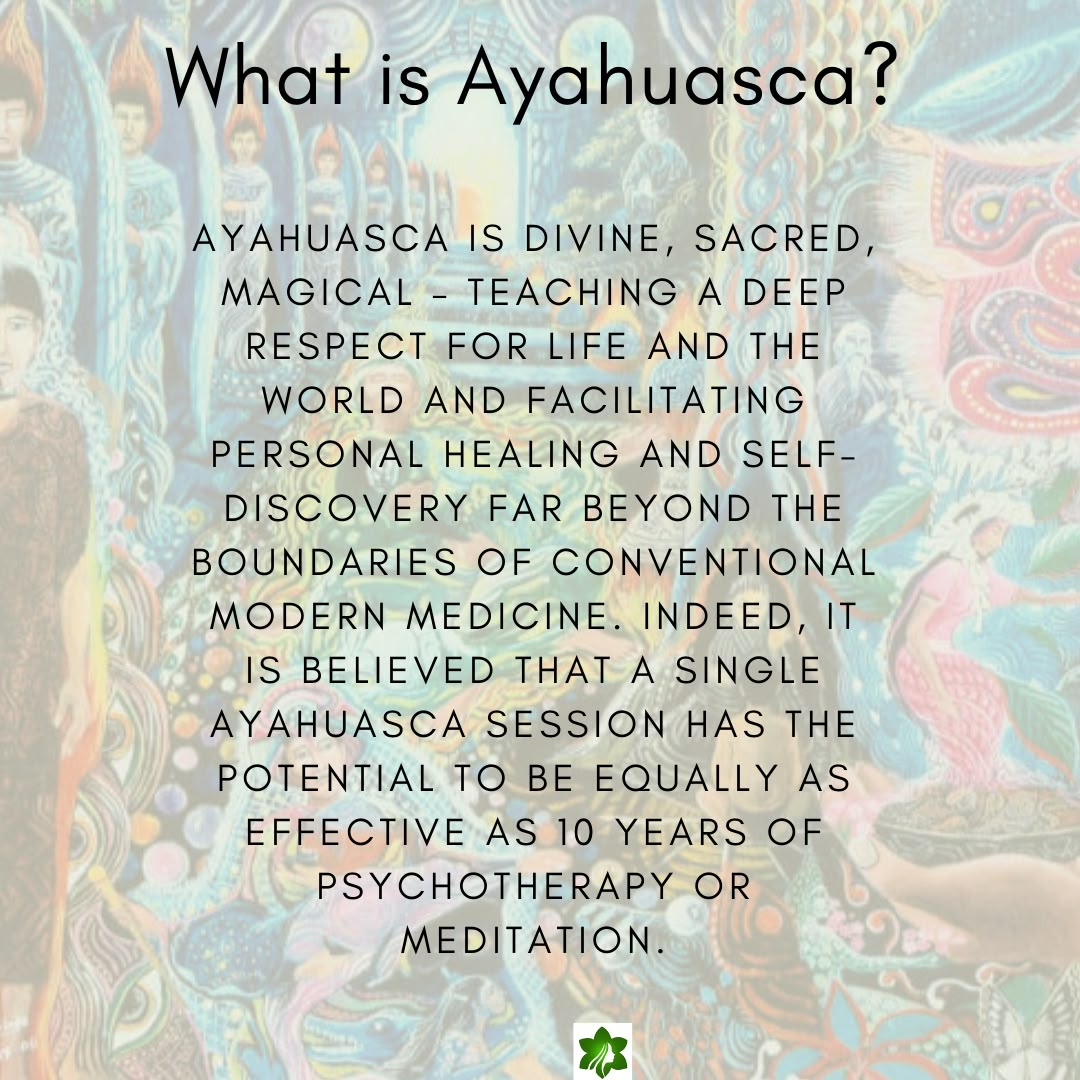
What is Ayahuasca?
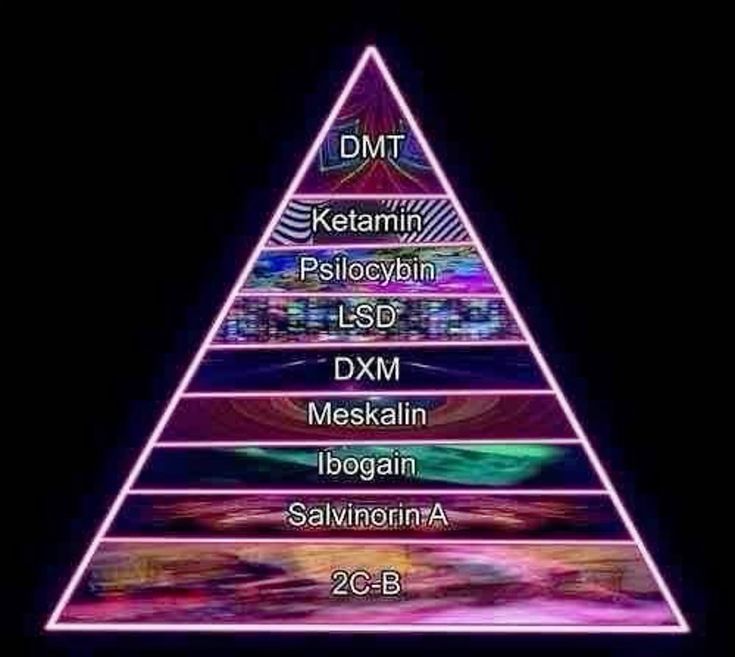
Ayahuasca is a psychoactive brew made from the Banisteriopsis caapi vine combined with other plants, most commonly Psychotria viridis, which contains the potent hallucinogen N,N-Dimethyltryptamine (DMT). The Banisteriopsis caapi vine contains natural MAO inhibitors that allow DMT to be orally active, enabling the profound visionary experiences ayahuasca is known for.
Used traditionally by indigenous Amazonian tribes for spiritual and healing ceremonies, ayahuasca induces intense altered states of consciousness. Users often report vivid visions, emotional release, and deep psychological insights during the experience.
Is Ayahuasca Legal?
The legality of ayahuasca varies widely by country due to its DMT content, which is a controlled substance in many places. In some countries, such as Brazil, Peru, and parts of South America, ayahuasca is legal for religious and ceremonial use.
However, in many Western countries, ayahuasca remains illegal or exists in a legally gray area, often protected only when used within specific religious contexts. Travelers interested in ayahuasca ceremonies should research local laws carefully and consult experienced practitioners to avoid legal complications.
Ayahuasca Retreat: What to Expect
Ayahuasca retreats have become popular as people seek safe, guided experiences with this powerful plant medicine. These retreats typically last from several days to weeks and include:
- Preparation: Guidance on diet, mindset, and physical readiness.
- Ceremonies: Led by experienced shamans or facilitators, often involving chanting, music, and ritualistic elements.
- Integration: Support sessions to help participants process and apply the insights gained.
Retreats offer a contained environment designed to maximize safety and spiritual benefit. Many participants report life-changing transformations, clarity, and healing after attending.
Ayahuasca Drug: Understanding Its Effects
Ayahuasca is often referred to as a “drug” due to its psychoactive properties, but it is more accurately described as a plant medicine or entheogen. Its effects include:
- Intense visual and auditory hallucinations.
- Emotional catharsis and trauma release.
- Altered perception of time and space.
- Spiritual or mystical experiences.
Because it contains DMT, ayahuasca is classified as a Schedule I drug in many countries, but its traditional use and reported therapeutic potential have led to a resurgence in scientific interest.
Advantages and Disadvantages of Ayahuasca
Advantages:
- Therapeutic Potential: Studies suggest ayahuasca may help with depression, PTSD, addiction, and anxiety.
- Spiritual Growth: Many users report profound spiritual insights and personal transformation.
- Community and Tradition: Participation often includes connection to indigenous traditions and supportive group environments.
Disadvantages:
- Physical Side Effects: Nausea, vomiting, and diarrhea are common during ceremonies.
- Mental Health Risks: Not suitable for people with certain psychiatric disorders; potential for anxiety or panic.
- Legal Risks: Possibility of legal consequences in countries where it is banned.
How Long Does Ayahuasca Last?
The effects of ayahuasca typically last 4 to 6 hours, with the peak experience occurring within the first 2 to 3 hours. The onset is usually between 20 to 60 minutes after ingestion. After the peak, effects gradually taper off, followed by a period of reflection or integration.
Physical symptoms such as nausea may persist longer, and some users report aftereffects like emotional sensitivity or mental clarity lasting days to weeks.
Ayahuasca remains a profound and complex plant medicine with a rich cultural history and growing global interest. Whether approached for spiritual growth, healing, or exploration, understanding the brew’s nature, legal status, and potential effects is essential for a safe and meaningful experience.
Always seek guidance from experienced practitioners and verify the legalities in your region before considering ayahuasca.
Share This Article