Crystal MDMA

Understanding Crystal MDMA: An In-Depth Guide Crystal MDMA is a [...]
Understanding Crystal MDMA: An In-Depth Guide
Crystal MDMA is a popular form of the psychoactive substance known for its euphoric and empathogenic effects. Commonly referred to as “Molly,” MDMA crystal is often sought after in its pure crystalline form by users looking for a more potent experience compared to pills. This article will explore various aspects of MDMA crystal, including its classification, comparison with pills, its resemblance to other drugs like crystal meth, and important safety information.
Is Crystal MDMA an Amphetamine?
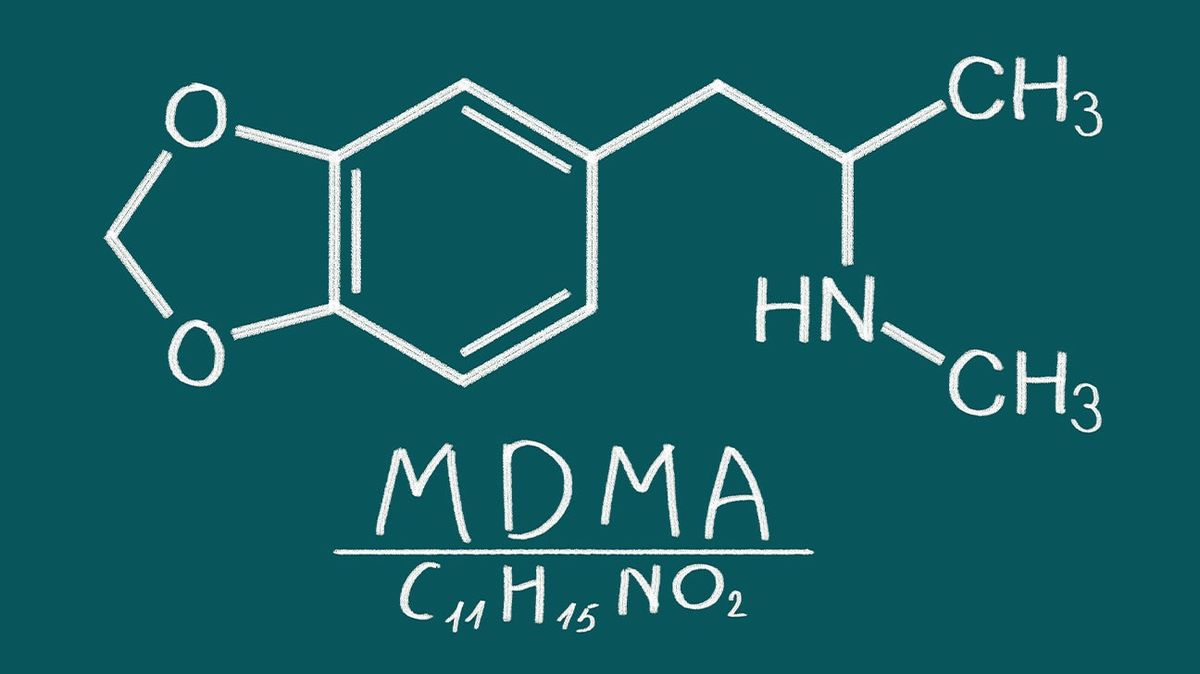
MDMA crystal is chemically related to amphetamines but is not classified strictly as a traditional amphetamine. It stands for 3,4-methylenedioxymethamphetamine, which is a synthetic drug that acts both as a stimulant and an empathogen.
- Chemical Relation: MDMA belongs to the phenethylamine family, which includes amphetamines. However, MDMA’s unique chemical structure includes a methylenedioxy group, differentiating it from standard amphetamines.
- Effects: While amphetamines primarily stimulate the central nervous system, MDMA produces both stimulant effects and heightened emotional and sensory experiences.
- Classification: Legally, MDMA is often classified as a Schedule I controlled substance in many countries due to its high potential for abuse and no accepted medical use. It is not technically categorized as a classic amphetamine but shares similar stimulant properties.
- Usage Context: Unlike amphetamines, which are sometimes prescribed for ADHD and narcolepsy, MDMA is mostly used recreationally or studied in controlled clinical settings for its potential therapeutic benefits in PTSD treatment.
Understanding this distinction is crucial for recognizing MDMA crystal’s unique role among stimulant drugs.
Crystal MDMA vs Pill: What’s the Difference?
When comparing MDMA crystal to MDMA pills, several factors set them apart, influencing potency, purity, and user experience:
- Form and Purity:
- MDMA Crystal: Typically appears as a white or off-white crystalline powder or solid chunks. It tends to be purer than pills, often containing a higher concentration of MDMA.
- MDMA Pills: Pills or tablets are pressed with MDMA mixed with various fillers, binders, and sometimes adulterants or other drugs, which can affect purity and safety.
- Dosage Control:
- Crystals offer more precise dosage control since users can measure the amount before consumption.
- Pills have variable MDMA content, and some may contain harmful substances posing health risks.
- Onset and Duration:
- Both forms have similar onset times, usually 30-60 minutes.
- Effects can last from 3 to 6 hours, depending on dosage and individual metabolism.
- Risk Factors:
- Pills carry a higher risk of contamination or being counterfeit.
- Crystals, while purer, still pose significant risks if taken irresponsibly.
In summary, MDMA crystal is favored by some users for its purity and potency, but both forms carry inherent risks requiring caution and harm reduction practices.
What Does Crystal Meth Look Like?
It’s important not to confuse MDMA crystal with crystal meth as they are entirely different substances with different effects and risks.
- Crystal Meth Appearance:
- Crystal meth, or methamphetamine, typically appears as clear, shiny, glass-like shards or chunks that resemble ice crystals.
- The crystals can range from colorless to white or slightly yellowish.
- MDMA Crystal Appearance:
- MDMA crystals tend to be less transparent and more powdery or chunky, often white or off-white.
- Key Visual Difference:
- Crystal meth looks more like glass shards or coarse ice.
- MDMA crystal usually has a softer, more powdery texture.
Recognizing these differences is vital for safety, as the two drugs have very different pharmacological effects and risks.
How to Make Crystal Meth
Due to the illegal nature and extreme dangers associated with the production of crystal meth, this section will only provide a general overview for educational purposes and to discourage illicit activities.
- Chemical Process: Crystal meth is synthesized through a hazardous chemical process involving precursor chemicals like pseudoephedrine or ephedrine, combined with solvents and reagents.
- Risks: The manufacturing process is highly toxic and explosive, releasing harmful fumes and posing significant health and safety risks to producers and communities.
- Legal Consequences: Producing crystal meth is illegal worldwide and punishable by severe penalties.
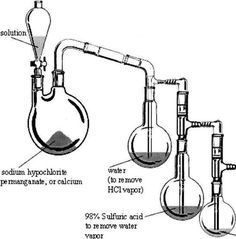
For safety and legal reasons, detailed instructions are not provided here. Prevention and education about the dangers of crystal meth production are essential.
How Long Does Crystal Meth Stay in Your System?
The duration crystal meth remains detectable depends on several factors, including dosage, frequency of use, metabolism, and the type of drug test used.
- Blood: Typically detectable for up to 1-3 days.
- Urine: Can be detected for 2-5 days after last use; chronic users may test positive up to a week or longer.
- Saliva: Usually detectable for 1-4 days.
- Hair: Can reveal use for up to 90 days or more.
- Methamphetamine has a relatively long half-life (about 10-12 hours), meaning it stays in the body longer than many other stimulants. This extended presence makes it easier to detect in drug screenings.
Crystal Meth Drugs Pictures
Visual identification plays a crucial role in awareness and prevention.
Crystal Meth Images:
- Typically shown as translucent or shiny shards resembling broken glass or ice.
- Often presented in small chunks or crystalline powder form.
MDMA Crystal Images:
- Generally appear as white or off-white powdery crystals or chunks.
- Less shiny and less transparent compared to crystal meth.
Viewing images helps differentiate between these substances, which is important for harm reduction and recognizing potential risks.
Conclusion
MDMA crystal is a distinct psychoactive substance with unique properties compared to other stimulants like amphetamines or crystal meth. Understanding its chemical nature, differences from pills, and how it compares visually and chemically to crystal meth can help users make informed decisions and prioritize safety. Always approach substances like MDMA with caution and awareness of legal and health implications.
mdma crystal vs pill,
what does crystal meth look like,
how to make crystal meth,
how long does crystal meth stay in your system,
crystal meth drugs pictures.
Share This Article