Understanding Fentanyl: A Comprehensive Guide

Understanding Fentanyl: A Comprehensive Guide Fentanyl is a powerful synthetic [...]
Understanding Fentanyl: A Comprehensive Guide
Fentanyl is a powerful synthetic opioid that has become a major topic in public health discussions due to its potency and associated risks. In this detailed guide, we explore everything you need to know about fentanyl, including its uses, risks, detection methods, and how it compares to carfentanil, another potent synthetic opioid.
What Is Fentanyl?
Fentanyl is a synthetic opioid analgesic, approximately 50 to 100 times more potent than morphine. It was first synthesized in the 1960s and is medically used to manage severe pain, especially in cancer patients or after surgery. It works by binding to opioid receptors in the brain, reducing the perception of pain and producing euphoria.
However, fentanyl is also notorious for its high potential for abuse and overdose. In recent years, illicitly manufactured fentanyl has flooded drug markets, often mixed with other substances, leading to a surge in overdose deaths.
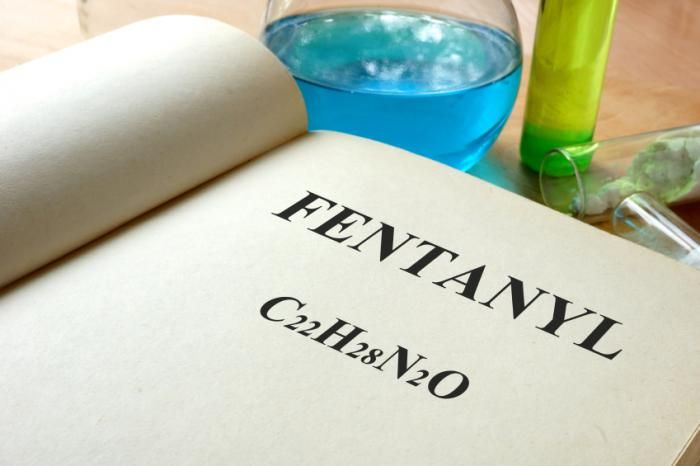
Fentanyl Test Strips: A Vital Harm Reduction Tool
Fentanyl test strips are an essential tool for harm reduction, allowing users to detect the presence of fentanyl in drugs before consumption. These strips work by dipping into a dissolved drug sample and indicating if fentanyl is present.
Due to fentanyl’s extreme potency and risk of overdose, test strips help reduce accidental ingestion and save lives. Many public health organizations advocate for their distribution among people who use drugs, enabling safer use practices.
What Does Fentanyl Look Like?
Fentanyl can appear in several forms, depending on its source:
- Pharmaceutical fentanyl is typically found as transdermal patches or injectable solutions prescribed by doctors.
- Illicit fentanyl often appears as a white or off-white powder, but it can also be pressed into pills that mimic other opioids or benzodiazepines.
- It may be mixed with other substances like heroin or cocaine, making it difficult to visually detect.
Because fentanyl can be disguised, caution and testing are crucial when dealing with unknown substances.
What Is Fentanyl Used For?
Medically, fentanyl is used primarily for:
- Managing severe chronic pain in cancer patients.
- Providing anesthesia during surgeries.
- Treating acute pain after surgery or trauma.
Its rapid onset and strong analgesic effects make it invaluable in clinical settings. However, due to its potency, it is strictly regulated and prescribed in controlled environments.
Fentanyl Overdose: Risks and Symptoms
Fentanyl overdose is a medical emergency due to its ability to depress the respiratory system severely. Symptoms of fentanyl overdose include:
- Extreme drowsiness or unconsciousness
- Difficulty breathing or shallow breathing
- Pinpoint pupils
- Cold, clammy skin
- Bluish lips or fingertips
Overdose can quickly lead to death if untreated. The opioid antagonist naloxone can reverse fentanyl overdoses if administered promptly.
How Long Does Fentanyl Stay in Your System?
The detection window for fentanyl varies depending on the test type:
- Blood: Up to 12 hours
- Urine: 1 to 3 days
- Hair: Up to 3 months
Factors like metabolism, dosage, and frequency of use influence how long fentanyl remains detectable. Because fentanyl is metabolized quickly, urine tests are typically preferred for detecting recent use.
What Is Carfentanil?
Carfentanil is an extremely potent synthetic opioid, roughly 100 times stronger than fentanyl and 10,000 times stronger than morphine. It was originally developed for veterinary use as a tranquilizer for large animals like elephants.
Due to its immense potency, carfentanil is not approved for human use and is considered highly dangerous. It has been increasingly found in illicit drug supplies, contributing to fatal overdoses.
What Does Carfentanil Look Like?
Like fentanyl, carfentanil typically appears as a fine white or off-white powder. It can be mixed into other drugs without visible changes, making it nearly impossible to identify by sight alone.
Because of its potency, even microscopic amounts can be lethal, requiring extreme caution and specialized equipment for handling.
What Is Carfentanil Used For?
Medically, carfentanil’s sole approved use is as a sedative for large animals during veterinary procedures. It is not safe for human consumption or medical treatment due to its high toxicity.
Illicitly, carfentanil is sometimes added to other narcotics to increase potency, often without users’ knowledge, which dramatically increases overdose risks.
Carfentanil Overdose
Carfentanil overdose shares similarities with fentanyl overdose but is more dangerous due to its potency. Symptoms include:
- Rapid loss of consciousness
- Severe respiratory depression or arrest
- Pinpoint pupils
- Blue or pale skin due to oxygen deprivation
Overdose treatment is complicated because carfentanil may require higher or multiple doses of naloxone Understanding Fentanyl: A Comprehensive Guide to reverse the effects.
How Long Does Carfentanil Stay in Your System?
Carfentanil is metabolized quickly but can be detected for:
- Blood: Up to 24 hours
- Urine: 2 to 4 days
- Hair: Up to 3 months
Detection depends on usage patterns and individual metabolism. Because of its potency, even low levels can be harmful.
Fentanyl vs Carfentanil: Key Differences
While both are synthetic opioids, their differences are critical:
Feature Fentanyl Carfentanil
Potency 50 to 100 times morphine 10,000 times morphine
Medical Use Human pain management Veterinary sedative only
Appearance Powder, patches, pills Powder
Overdose Risk High Extremely high
Naloxone Dose Needed Standard doses effective Higher/multiple doses required
Legal Status Controlled prescription Not approved for humans
Understanding these differences is vital for awareness, prevention, and response strategies regarding opioid use and overdose.
Final Thoughts
Fentanyl and carfentanil pose significant challenges for public health due to their potency and risk of overdose. Awareness about their uses, appearance, and detection methods like fentanyl test strips can save lives. If you or someone you know is at risk, seek professional medical help immediately and consider harm reduction tools to reduce dangers associated with these substances.
Stay informed, stay safe.
Share This Article