Heroin: What It Is, What It Looks Like, Its Effects, and the Risks

Heroin: What It Is, What It Looks Like, Its Effects, [...]
Heroin: What It Is, What It Looks Like, Its Effects, and the Risks
Heroin is an illegal opioid that can cause dependence, life-threatening overdose, and death. Because heroin sold illicitly is unregulated, its ingredients, strength, and appearance can vary—and you cannot identify it or determine whether it is safe by looking at it. This guide answers common questions about heroin while separating medical information from slang, fashion references, and entertainment-related search terms.
1. What Heroin Is, What It’s Made Of, and What It Looks Like
What is heroin?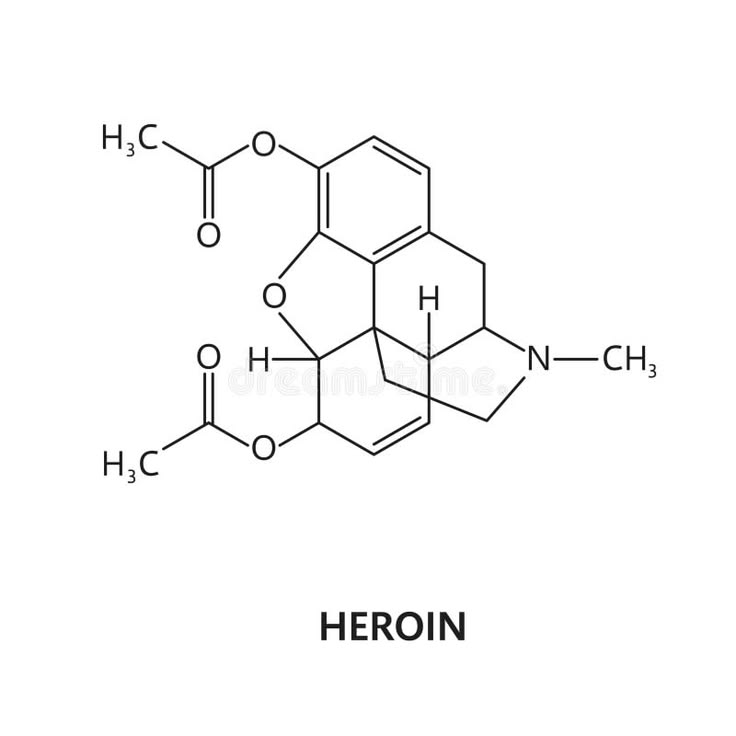
Heroin is an opioid drug made from morphine, which is derived from the opium poppy. Once in the body, heroin is converted into morphine and acts on opioid receptors involved in pain and reward. Its effects can include pain relief and drowsiness, but it can also slow breathing—the effect that can make an overdose fatal.
Heroin sold outside regulated medical systems has unknown contents and potency. It may be mixed with other drugs or contaminants, including powerful synthetic opioids. That means a person may not know what they have encountered, even if it is sold under a familiar name or looks like heroin. A product’s label, street name, or appearance cannot confirm what is in it.
Is heroin an opioid?
Yes. Heroin is an opioid. Opioids affect the brain and body’s opioid receptors. Other substances in this broad category include prescription pain medicines and synthetic opioids, but their legal status, medical uses, and risks differ. Heroin is illegal in the United States and carries serious risks, particularly because illicit supplies are unpredictable.
Opioids can cause physical dependence, and repeated use can lead to opioid use disorder, a treatable medical condition. Dependence and addiction are not moral failings. A healthcare professional can help assess symptoms and discuss evidence-based treatment options.
What is heroin made of?
Heroin is made from morphine, but the composition of a substance sold as heroin may be different from what a buyer expects. Illicit products are not quality-controlled, and their ingredients can vary from batch to batch. They may contain unknown fillers or other drugs, potentially including substances that substantially increase overdose risk.
For this reason, online descriptions of a “typical” product cannot establish what a particular substance contains. No visual check or informal description can verify its identity, purity, or safety. If someone has taken an unknown substance or feels unwell after exposure, contact emergency services or a medical professional promptly.
What does heroin look like?
Heroin may be encountered as a powder or a sticky, solid material, but its appearance varies. It may be white, off-white, tan, brown, or dark. These descriptions are not a reliable way to identify it: other substances can look similar, and heroin can look different depending on its processing and what it has been mixed with.
What color is heroin?
There is no single color that identifies heroin. Reports commonly describe heroin as white, off-white, brown, or black, but color does not indicate what is in a substance or how strong it is. A dark product is not automatically one type of drug, and a light-colored product is not automatically purer or safer.
The safest public-health message is straightforward: appearance cannot confirm a drug’s contents or predict its effects. Avoid relying on color, texture, packaging, or a seller’s claim as evidence of safety.
What is black tar heroin?
Black tar heroin is a term for a dark, often sticky or solid form of heroin. The name describes its appearance; it does not provide a standardized recipe or guarantee consistent ingredients or strength. Like other illicit opioids, it can contain unknown substances and can cause overdose, dependence, and other serious health consequences.
It is also important not to mistake the word “tar” for a dependable clue about risk. A product’s name and appearance do not make it safer or more predictable.
What is “gas station heroin”?
“Gas station heroin” is a slang phrase, not a precise medical or chemical term. It is sometimes used in news reports and online discussions to refer to products containing tianeptine, which may be sold in some places as a supplement or retail product. Tianeptine is not heroin, though it can have opioid-like effects and has been associated with serious health risks. The phrase may be used inconsistently, so it does not reliably identify a product’s ingredients.
Do not assume that something sold in a retail setting is harmless, approved for a particular use, or accurately labeled. If a product has been taken and someone develops severe sleepiness, confusion, trouble breathing, loss of consciousness, or other alarming symptoms, seek urgent medical help. In the United States, Poison Control can be reached at 1-800-222-1222; call 911 for a life-threatening emergency.
2. What Heroin Does, How It Can Feel, and How to Recognize an Overdose
What does heroin do?
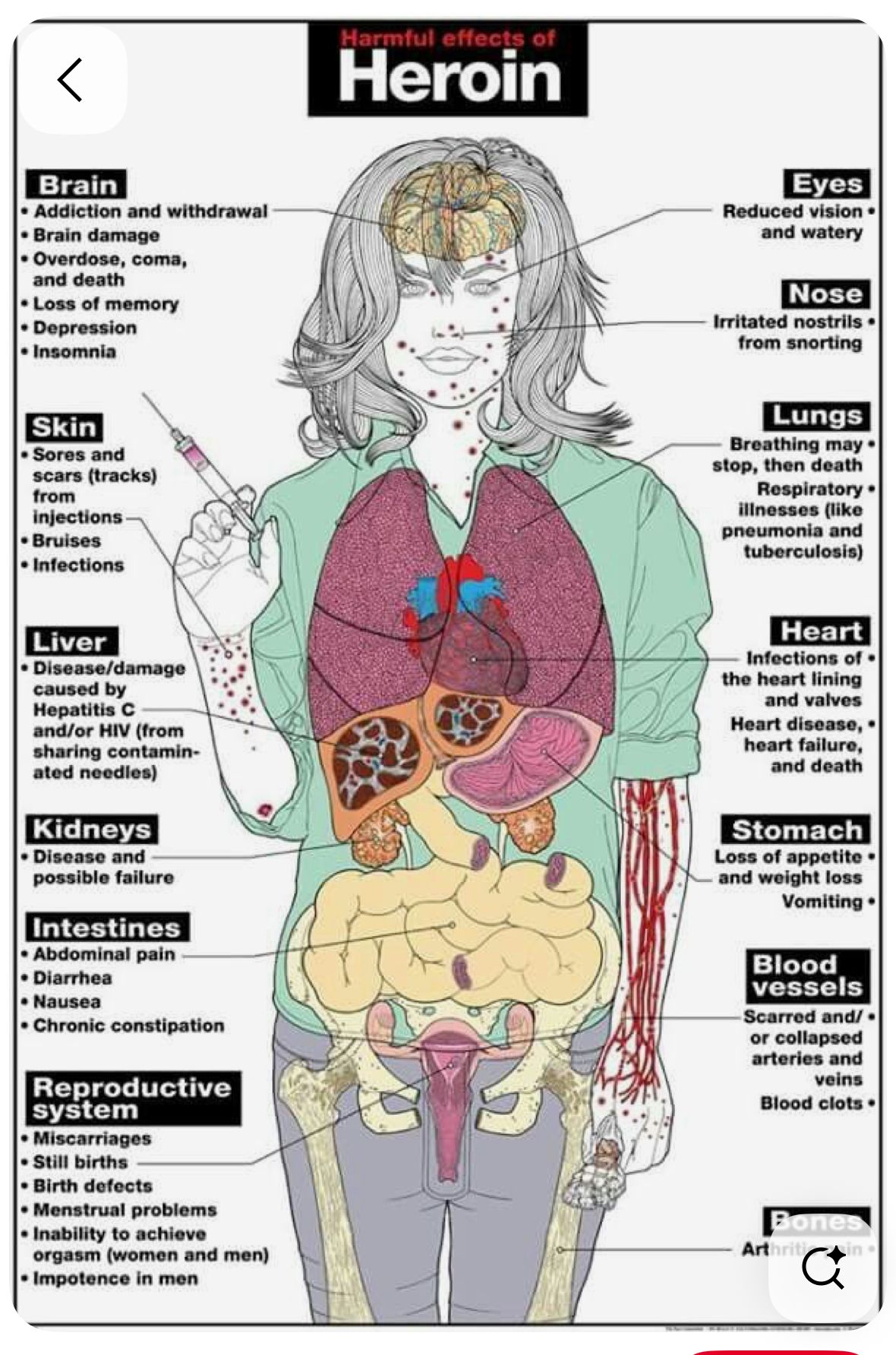
Heroin affects the central nervous system and can cause drowsiness, slowed breathing, nausea, and impaired judgment. The effects differ among individuals and may be unpredictable when the drug’s contents or strength are unknown. Slowed breathing is especially dangerous: in an overdose, breathing can become dangerously slow or stop.
Heroin use can also contribute to health and life challenges beyond the immediate drug effects. These may include opioid use disorder, withdrawal, infections, and disruptions to relationships, work, school, or housing. The risks are not limited to people who use heroin frequently; an unpredictable supply can make any exposure dangerous.
What does heroin feel like?
People may describe different sensations, but no description of a drug’s effects can tell someone that it is safe. A person’s response may depend on the substance’s contents, their health, other medicines or drugs, and many other factors. Because illicit heroin may contain unknown substances, the effects can be more severe or different than expected.
Descriptions that glamorize or minimize the experience can obscure the central medical risk: opioids can suppress breathing. If someone seems unusually difficult to wake, is breathing slowly or irregularly, or has blue or gray lips or fingertips, treat it as a possible overdose.
Signs of a possible opioid overdose
A suspected opioid overdose is a medical emergency. Warning signs can include:
- The person cannot be woken or is unresponsive.
- Breathing is slow, irregular, shallow, or has stopped.
- The person makes unusual choking, gurgling, or snoring sounds while unresponsive.
- Lips or fingertips appear blue, gray, or unusually pale.
- The person’s body is limp or their pupils appear unusually small.
If you suspect an overdose, call emergency services immediately. Give naloxone if it is available and follow the product instructions. Stay with the person and follow the dispatcher’s directions until help arrives. Naloxone can temporarily reverse an opioid overdose, but emergency medical care is still essential because symptoms may return or another substance may also be involved.
Treatment and support for opioid use
Opioid use disorder is a treatable health condition. A clinician can discuss evidence-based care, which may include medications for opioid use disorder, counseling, and ongoing support. Treatment plans are individualized; seeking help is a constructive step, not a reason for shame.
In the United States, the SAMHSA National Helpline provides free, confidential treatment referrals at 1-800-662-HELP (4357). For an immediate emergency, call 911. If you are outside the United States, contact your local emergency service or a trusted health professional for relevant local resources.
3. Heroin in Culture: “Heroin Chic” and “Hollywood Hot Heroines”
What does “heroin chic” mean?
“Heroin chic” is a fashion and media term associated with a look that became prominent in the 1990s. It generally refers to a deliberately stark, thin, or disheveled aesthetic. The phrase is a cultural label—not a medical description, and not an accurate account of what heroin use or addiction looks like for everyone.
The term has also been criticized for making suffering appear fashionable. Heroin dependence and overdose are serious health issues, not style choices. When discussing “heroin chic,” it is useful to distinguish the history of an aesthetic from the real harms associated with opioid use and to avoid presenting addiction as glamorous or desirable.
What does “Hollywood hot heroines” mean?
“Hollywood hot heroines” is an entertainment-related search phrase, usually pointing toward glamorous female characters, actors, or leading roles. It is not a medical term and does not describe heroin, opioid effects, or treatment. The word “heroine” refers to a female protagonist; “heroin” is the name of a drug. The two words look and sound similar, but they have entirely different meanings.
Keeping these topics separate helps readers find the information they need without confusing popular-culture searches with health guidance. Articles about film, fashion, or celebrities should avoid implying that drug use is glamorous or that media portrayals are a reliable guide to real-world risks.
Key facts to remember about heroin
Heroin is an opioid made from morphine, but illicit products may contain unknown substances. Its color and appearance vary, and neither can establish what a substance contains. “Black tar heroin” describes a dark form, while “gas station heroin” is an informal phrase that may refer to products such as tianeptine-containing products—not heroin itself. Above all, a suspected opioid overdose requires immediate emergency help.
HNChems is not presented here as a source, supplier, or health referral. For substance-use concerns, turn to qualified healthcare professionals, poison control, emergency services, or established treatment-referral services.
What is heroin made of,
What is gas station heroin,
What color is heroin,
What is black tar heroin,
What is heroin,
What does heroin look like,
Is heroin an opioid,
What does heroin do,
heroin chic,
What does heroin feel like,
Hollywood hot heroines.
Share This Article