Fentanyl: Understanding Its Effects, Medical Uses, and Risks

Fentanyl: Understanding Its Effects, Medical Uses, and Risks Introduction: What [...]
Fentanyl: Understanding Its Effects, Medical Uses, and Risks
Introduction: What Is Fentanyl?
Fentanyl is a powerful synthetic opioid used in medical settings to treat severe pain. It is a highly potent prescription pain medication that may be prescribed for certain patients experiencing severe post-surgical pain or chronic pain conditions.
Fentanyl is particularly important in pain management for patients who have developed tolerance to other opioid medications. However, the substance is also associated with significant public health concerns because of its potential for misuse, dependence, and fatal overdose.
Illegally manufactured fentanyl has contributed significantly to the international opioid crisis. Understanding its medical applications, effects, side effects, and potential dangers is essential for patients, healthcare professionals, and the general public.
1. Fentanyl Patches: How They Work and When They Are Used
Fentanyl patches are transdermal medications designed to release the active ingredient through the skin over an extended period. They are prescribed in certain cases involving severe chronic pain, including some forms of cancer-related pain.
What Is a Fentanyl Patch?
A fentanyl patch is an adhesive medical product applied to the skin. It allows the medication to enter the bloodstream gradually.
Its main characteristics include:
- Continuous medication delivery: The active ingredient is absorbed through the skin over time.
- Extended duration: Depending on the prescribed product, a patch is generally replaced every 72 hours.
- Pain management: It helps control certain types of severe, persistent pain.
When Are Fentanyl Patches Prescribed?
Fentanyl patches may be prescribed under specific medical circumstances, including:
- Severe chronic pain: For example, certain types of cancer-related pain.
- Long-term pain management: For patients with established opioid tolerance when other pain medications are insufficient.
Important Safety Precautions
Fentanyl patches require careful handling and strict adherence to medical instructions.
- Apply the patch only to an appropriate, intact area of skin.
- Follow the prescribed replacement schedule.
- Never cut, damage, or modify the patch.
- Avoid external heat sources, such as heating pads, because increased heat can accelerate fentanyl absorption.
- Keep unused and used patches securely away from children and pets.
Potential Risks of Fentanyl Patches
Possible dangers include:
- Accidental overdose caused by incorrect use.
- Increased medication absorption following exposure to heat.
- Accidental exposure involving children or pets.
- Severe respiratory depression, which can become life-threatening.
2. Fentanyl Effects: How the Drug Works in the Body
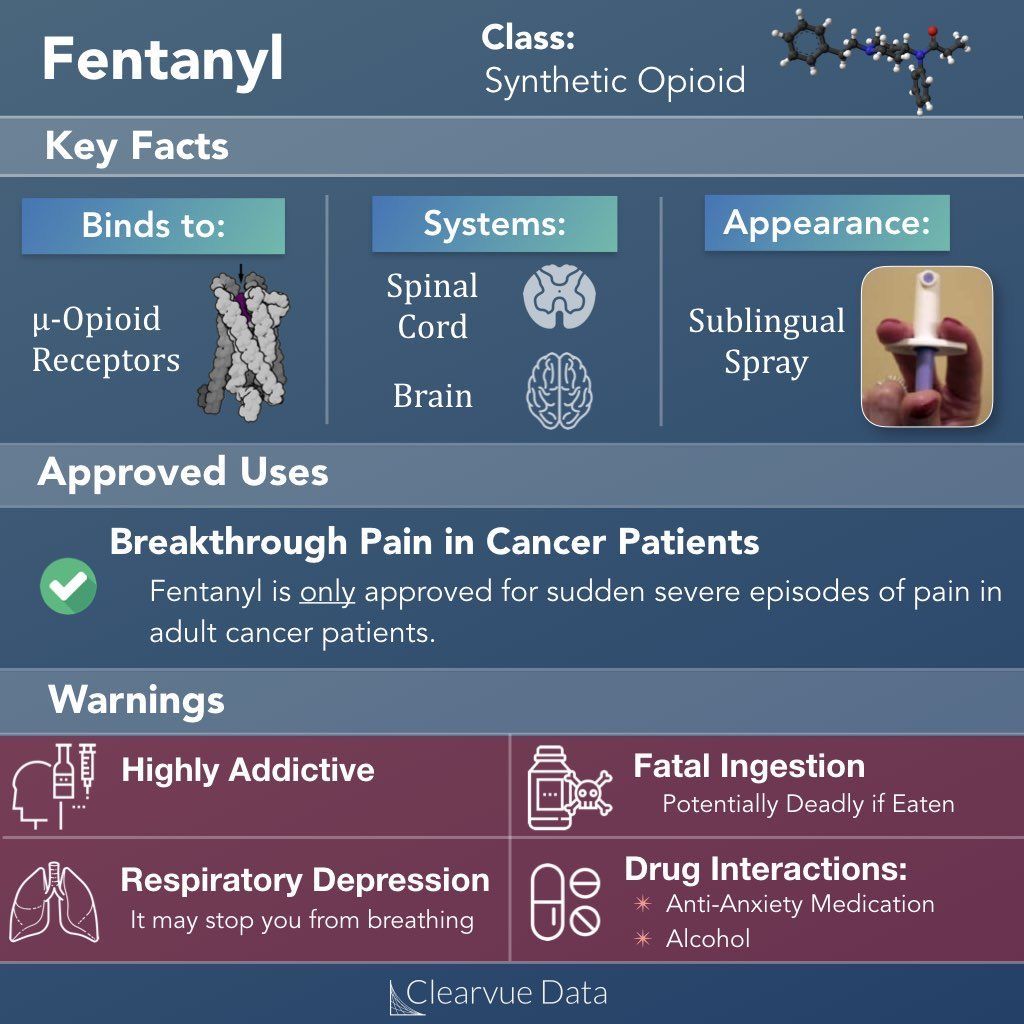
The effects of fentanyl are primarily related to its action on the central nervous system. Fentanyl is a mu-opioid receptor agonist, meaning it binds to specific receptors in the brain and spinal cord to influence how the body processes and experiences pain.
How Does Fentanyl Work?
Fentanyl affects the body in several ways:
- Pain relief: It reduces the transmission and perception of pain signals.
- Onset of action: The time required for effects to begin depends on the formulation and medical method of administration.
- High potency: Fentanyl is approximately 50 to 100 times more potent than morphine, depending on the comparison and clinical context.
Medical Effects of Fentanyl
When administered appropriately under medical supervision, fentanyl can provide several therapeutic benefits:
- Analgesia: Effective relief from severe pain.
- Sedation: Central nervous system depression in medically supervised settings.
- Anesthesia: Use as part of certain surgical and anesthetic procedures.
Fentanyl Side Effects and Health Risks
Like other opioid medications, fentanyl can cause various side effects.
Common side effects include:
- Drowsiness and fatigue
- Nausea and vomiting
- Constipation
- Dizziness
- Confusion
Serious side effects:
One of the most dangerous complications is respiratory depression. This occurs when breathing becomes dangerously slow or shallow, potentially preventing the body from receiving enough oxygen.
Signs of a possible fentanyl overdose include:
- Extremely slow or shallow breathing
- Pinpoint pupils
- Loss of consciousness
- Unresponsiveness
- Bluish lips or fingernails
A suspected overdose is a medical emergency. Emergency services must be contacted immediately. Naloxone can temporarily reverse the effects of an opioid overdose, although additional doses may be necessary in some fentanyl-related cases.
Fentanyl Active Ingredient and Fentanyl Tablets
Fentanyl active ingredient: This refers to the pharmacologically active substance responsible for the medication’s pain-relieving effects.
Fentanyl tablets: Certain oral formulations, including specialized lozenges and buccal tablets, are prescribed under strict medical conditions to manage breakthrough cancer pain in patients who already have opioid tolerance.
These medications must only be used according to a healthcare professional’s instructions.
3. Illegal Fentanyl: Drug Effects and the Opioid Crisis
Illegally manufactured fentanyl represents a significant public health concern worldwide. Its uncontrolled production and distribution have increased the risk of accidental poisoning, opioid dependence, and fatal overdoses.
Fentanyl in the Illegal Drug Market
Illegally manufactured fentanyl can enter the drug supply in several ways:
- Unregulated production: Fentanyl may be mixed with other illicit substances.
- Counterfeit medications: It may be present in fake tablets designed to resemble legitimate prescription medications.
- Unknown concentrations: Individuals may not know whether a substance contains fentanyl.
- Increased overdose risk: Unknown ingredients and inconsistent concentrations make illicit substances particularly dangerous.
What Are the Effects of Illicit Fentanyl?
Illicit fentanyl exposure can have serious consequences, including:
- Severe depression of the central nervous system.
- Extreme drowsiness and impaired consciousness.
- Development of physical dependence.
- Increased risk of opioid use disorder.
- Life-threatening respiratory depression and overdose.
The effects of illicit substances are especially unpredictable because their composition and potency are often unknown.
Public Health Measures to Prevent Fentanyl Overdoses
Several prevention and treatment strategies can help reduce opioid-related deaths.
Naloxone (Narcan): Naloxone is a medication that can temporarily reverse an opioid overdose. Repeated administration may be necessary in some fentanyl-related emergencies.
Education and prevention: Public awareness campaigns help communities understand the risks associated with synthetic opioids and recognize the warning signs of an overdose.
Fentanyl test strips: These may help identify the presence of fentanyl in certain substances. However, they cannot guarantee that a substance is free from fentanyl or other dangerous contaminants.
Medical treatment and addiction support: People experiencing opioid dependence should have access to professional healthcare, evidence-based treatment, and appropriate psychological support.
4. Frequently Asked Questions About Fentanyl
What Is Fentanyl?
Fentanyl is a powerful synthetic opioid used medically to treat severe pain. Due to its high potency, improper use can result in serious complications, including life-threatening overdose.
What Does Fentanyl Do to the Body?
Fentanyl binds to opioid receptors in the central nervous system and reduces the perception of pain. It can also cause drowsiness, sedation, and, in cases of overdose, dangerous respiratory depression.
What Types of Fentanyl Medications Are Available?
Medical formulations of fentanyl include:
- Transdermal fentanyl patches
- Specialized oral lozenges
- Buccal tablets
- Other formulations used in medically supervised settings
The appropriate formulation depends on the patient’s medical condition and individual treatment requirements.
What Does Fentanyl’s Effect Mean?
The term refers to the physical and neurological effects of fentanyl on the human body. These include pain relief, central nervous system depression, and potential side effects such as respiratory depression.
Is Fentanyl Legal in Germany?
Yes. Fentanyl is a strictly controlled narcotic medication in Germany. It may be prescribed and administered for legitimate medical purposes under the applicable legal requirements.
Its regulation is governed primarily by Germany’s Narcotics Act (Betäubungsmittelgesetz, BtMG) and the relevant rules concerning medical prescriptions and use.
How Dangerous Is a Fentanyl Overdose?
A fentanyl overdose can cause severe respiratory depression, unconsciousness, and respiratory arrest. It is a life-threatening emergency requiring immediate medical attention.
Naloxone can be administered as an emergency reversal medication.
Conclusion: Understanding Fentanyl and Staying Safe
Fentanyl is a highly potent opioid that plays an important role in modern medicine when prescribed and administered appropriately. It is available in several medical formulations, including fentanyl patches, specialized tablets, and other prescription preparations.
However, its significant risks must not be underestimated. Illegally manufactured fentanyl and improper medication use can result in severe health complications and fatal overdoses.
Understanding fentanyl’s effects, potential side effects, medical applications, and overdose warning signs is essential for improving public awareness and preventing avoidable harm.
Fentanyl-containing medications should only be used according to a healthcare professional’s instructions. If an overdose is suspected, contact emergency services immediately.
For further information about opioid safety, overdose prevention, or addiction treatment options, consult a qualified healthcare professional or a reputable addiction support organization.
Share This Article