The Ultimate Guide to Ketamine Therapy: What You Need to Know

Ketamine Therapy: What You Need to Know Ketamine therapy is [...]
Ketamine Therapy: What You Need to Know
Ketamine therapy is rapidly transforming the landscape of mental health and pain management. Once solely known as an anesthetic and a party drug, ketamine is now recognized for its powerful therapeutic potential, especially for patients who have struggled with traditional treatments. This comprehensive guide explores everything about ketamine therapy—from its scientific foundation to practical considerations like cost—helping you understand if it might be the right option for you or your loved ones.
Is Ketamine an Opioid? Understanding the Science Behind Ketamine
One of the most frequent questions surrounding ketamine therapy is whether ketamine is an opioid. This question is vital because opioids, while effective pain relievers, carry a high risk of addiction and serious side effects. Understanding ketamine’s pharmacology clears up misconceptions and highlights why ketamine is fundamentally different.
What Are Opioids?
Opioids are a class of drugs that bind to opioid receptors in the brain and spinal cord to block pain signals. Common opioids include morphine, oxycodone, and fentanyl. They are widely used for pain relief but come with risks such as:
- Addiction and dependency
- Respiratory depression (which can be fatal)
- Tolerance build-up requiring higher doses over time
Ketamine’s Unique Mechanism of Action
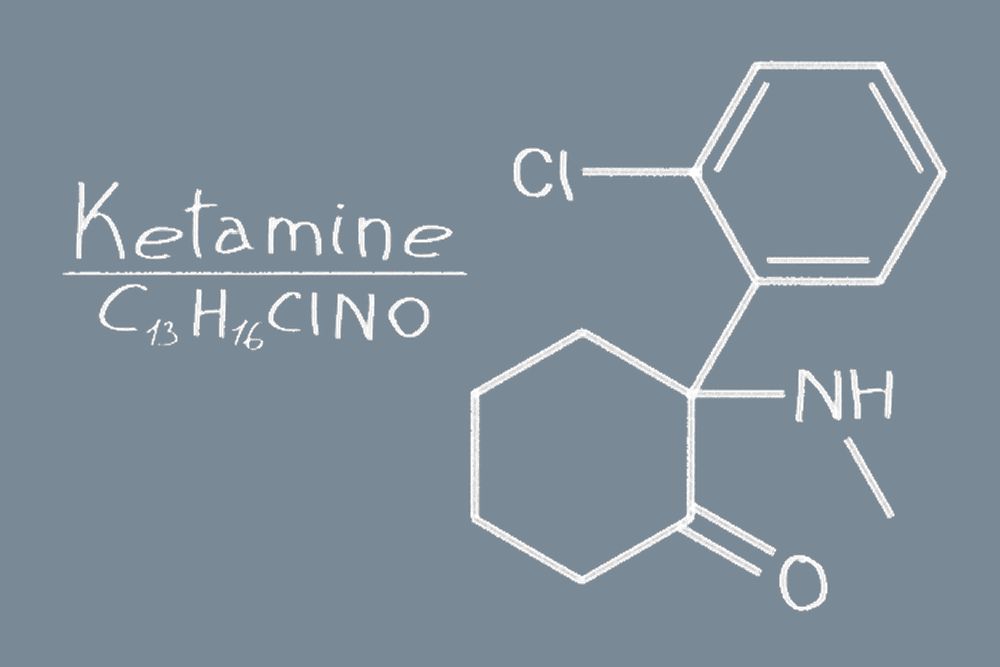
Ketamine, on the other hand, is classified as a dissociative anesthetic. Its primary action is blocking the N-methyl-D-aspartate (NMDA) receptor, a subtype of glutamate receptor in the brain. Glutamate is the major excitatory neurotransmitter involved in learning, memory, and pain transmission.By blocking NMDA receptors, ketamine:
- Disrupts glutamate signaling, leading to a dissociative state.
- Modulates other brain pathways involved in mood regulation, including opioid, dopamine, and serotonin systems, but it is not an opioid itself.
- Provides analgesic (pain-relieving) effects without the typical opioid receptor activation.
Why This Matters
Because ketamine does not act on opioid receptors, it:
- Has a lower risk of addiction compared to opioids.
- Does not cause dangerous respiratory depression.
- Can be used safely in patients who are at risk for opioid misuse or who have become tolerant to opioids.
Thus, while ketamine does relieve pain and affect mood, it is not an opioid, meaning it offers a different and often safer treatment pathway for many patients.
What Is Ketamine Therapy? A Deep Dive Into Its Uses and Benefits
Ketamine therapy refers to the medically supervised use of ketamine to treat a range of conditions—most notably mental health disorders and chronic pain. Its use represents a significant breakthrough, especially for patients who have not responded to conventional treatments.
Historical Context
Ketamine was first developed in the 1960s as a surgical anesthetic. Over time, researchers noticed its unique effects on mood and perception, leading to investigations into its psychiatric applications. In the 2000s, studies demonstrated ketamine’s remarkable ability to rapidly reduce symptoms of treatment-resistant depression and other mood disorders, revolutionizing psychiatric medicine.
Conditions Treated by Ketamine Therapy
Ketamine therapy is used for:
- Major depressive disorder (MDD), especially treatment-resistant depression
- Post-Traumatic Stress Disorder (PTSD)
- Bipolar disorder
- Anxiety disorders
- Obsessive-Compulsive Disorder (OCD)
- Chronic pain syndromes, including complex regional pain syndrome (CRPS) and neuropathic pain

How Does Ketamine Therapy Work?
Unlike traditional antidepressants, which may take weeks to months to work by gradually altering brain chemistry, ketamine acts rapidly by:
- Blocking NMDA receptors, resulting in increased synaptic connectivity and brain plasticity.
- Triggering a surge in brain-derived neurotrophic factor (BDNF), which supports neuron growth and repair.
- Resetting dysfunctional neural circuits involved in mood regulation.
Methods of Administration
Ketamine therapy can be delivered via several routes:
- Intravenous (IV) infusion: The most common and well-studied form, allowing precise control over dosage and rapid onset.
- Intramuscular (IM) injection: Used in some clinics for quicker administration.
- Nasal spray: Esketamine (Spravato) is FDA-approved for depression and administered under supervision.
- Oral or sublingual lozenges: Less common due to variable absorption but still used in some settings.
The Treatment Process
Therapy usually involves a series of sessions. Patients undergo pre-treatment evaluation, receive ketamine under medical supervision, and are monitored for side effects. The rapid relief of symptoms often begins within hours and can last days to weeks, with maintenance sessions scheduled as needed.
Benefits of Ketamine Therapy
- Rapid symptom relief compared to traditional antidepressants.
- Effective for patients resistant to other medications.
- Can reduce suicidal thoughts quickly.
- Provides alternative pain relief for chronic pain patients.
Does Ketamine Therapy Get You High? Separating Fact from Fiction
The idea that ketamine might cause a “high” is a common concern for many considering therapy, especially given its history as a recreational drug.
Recreational Use vs. Clinical Use
Recreational ketamine use involves high doses and unregulated settings, often leading to intense dissociative and hallucinogenic experiences—the so-called “K-hole.” This state includes:
- Feeling detached from the body and surroundings.
- Visual and auditory hallucinations.
- Altered perception of time and space.
Controlled Medical Use
In contrast, ketamine therapy in a clinical setting uses:
- Lower, carefully titrated doses that minimize intense dissociation.
- Administration under professional supervision with continuous monitoring.
- The goal of therapeutic benefit, not intoxication.
Patient Experiences During Therapy
Many patients report:
- Mild dissociative sensations or dream-like states.
- Feeling relaxed or calm.
- Some transient sensory changes, such as altered sounds or colors.
These effects typically wear off quickly after the session and are managed by clinicians. Importantly, the vast majority of patients do not experience a recreational “high” during ketamine therapy.
Why This Distinction Matters
Understanding that ketamine therapy is not about getting high helps reduce stigma. It reinforces that ketamine is a legitimate medical treatment—one that can provide relief without the risks of intoxication or abuse when properly administered.
Ketamine Infusion Therapy: What to Expect and How It Works
Ketamine infusion therapy is the flagship treatment method for ketamine in mental health and pain management.
What Is Ketamine Infusion Therapy?
Ketamine infusion therapy involves delivering a controlled dose of ketamine intravenously over a set period, typically between 40 minutes to an hour. This slow infusion allows the drug to take effect gradually, reducing the risk of adverse reactions and allowing close monitoring.
The Treatment Session
During a ketamine infusion session:
- The patient is comfortably seated or lying down in a clinical setting.
- Vital signs (heart rate, blood pressure, oxygen levels) are monitored.
- The ketamine dose is administered via IV drip.
- Patients may experience mild dissociation or relaxation.
- After the infusion, patients are observed briefly before discharge.
How Many Treatments Are Needed?
- Many patients notice improvement after 1 to 3 sessions.
- A typical course may include 6 to 8 infusions over several weeks.
- Maintenance infusions may be scheduled monthly or as needed.
Benefits and Effectiveness
- Rapid onset: Relief from depression or pain symptoms can occur within hours.
- High success rate: Particularly for treatment-resistant depression.
- Improved quality of life: Reduction in depressive symptoms, anxiety, and pain.
Possible Side Effects
- Mild nausea or dizziness
- Temporary increases in blood pressure
- Dissociation or altered perception during infusion (usually mild)
All side effects are typically short-lived and resolve quickly after treatment.
Ketamine Therapy Cost: What You Should Know Before Starting Treatment
Cost is a significant consideration for many exploring ketamine therapy.
Factors Influencing Cost
- Geographic location: Prices vary by city and country.
- Type of ketamine therapy: IV infusions tend to be more expensive than nasal sprays or oral forms.
- Number of sessions: Full treatment typically requires multiple infusions.
- Clinic expertise: Specialized clinics with experienced staff may charge higher fees.
- Additional services: Pre-treatment consultations, lab work, and follow-up appointments can add costs.
Typical Price Ranges
- Single IV ketamine infusion: 800 per session.
- Nasal spray (Esketamine): Costs can be higher, often between 900 per dose.
- Oral or sublingual ketamine: Usually less expensive but less common.
- Total treatment course: Can range from 10,000 depending on number of sessions.
Insurance Coverage
- Most insurance plans do not fully cover ketamine therapy because it is often considered experimental or off-label for depression.
- Esketamine nasal spray has some insurance coverage as an FDA-approved treatment.
- Patients should verify coverage with their insurers and consider flexible payment plans offered by clinics.
Cost vs. Benefit
While ketamine therapy can be costly, for many patients the rapid and sustained relief from debilitating symptoms justifies the investment. It often reduces the need for multiple medications and hospitalizations, potentially saving money in the long run.
Explore Competent Ketamine Therapy at https://www.hnchems.com/
If you are considering ketamine therapy, it’s essential to seek treatment from experienced and reputable providers. One trusted source offering professional ketamine therapy services is HNChems.
Why Choose HNChems?
- Expert Medical Supervision: Treatments are conducted under the care of licensed healthcare professionals.
- Comprehensive Care: HNChems offers a full range of ketamine therapy options tailored to individual patient needs.
- Patient-Centered Approach: Focus on safety, comfort, and personalized treatment plans.
- Transparent Pricing: Clear cost information and consultation services to help you understand your options.
By choosing a competent provider like HNChems, you ensure your ketamine therapy journey is safe, effective, and supportive.
Conclusion: Is Ketamine Therapy Right for You?
Ketamine therapy represents a powerful new frontier in treating mental health disorders and chronic pain. With its distinct mechanism, rapid effects, and growing body of research supporting its benefits, ketamine offers hope for many who have found little relief elsewhere.
Before beginning treatment, it’s critical to:
- Consult with a qualified healthcare provider.
- Understand the treatment process and potential side effects.
- Consider the financial commitment and explore insurance or payment options.
- Choose a reputable clinic such as HNChems for your treatment.
Ketamine therapy is not a magic cure but a medically supervised, scientifically grounded treatment that can change lives. If you or a loved one struggle with depression, PTSD, or chronic pain, ketamine therapy might offer the breakthrough you’ve been searching for.
is ketamine an opioid,
what is ketamine therapy,
does ketamine therapy get you high,
ketamine infusion therapy,
ketamine therapy cost.
Share This Article